


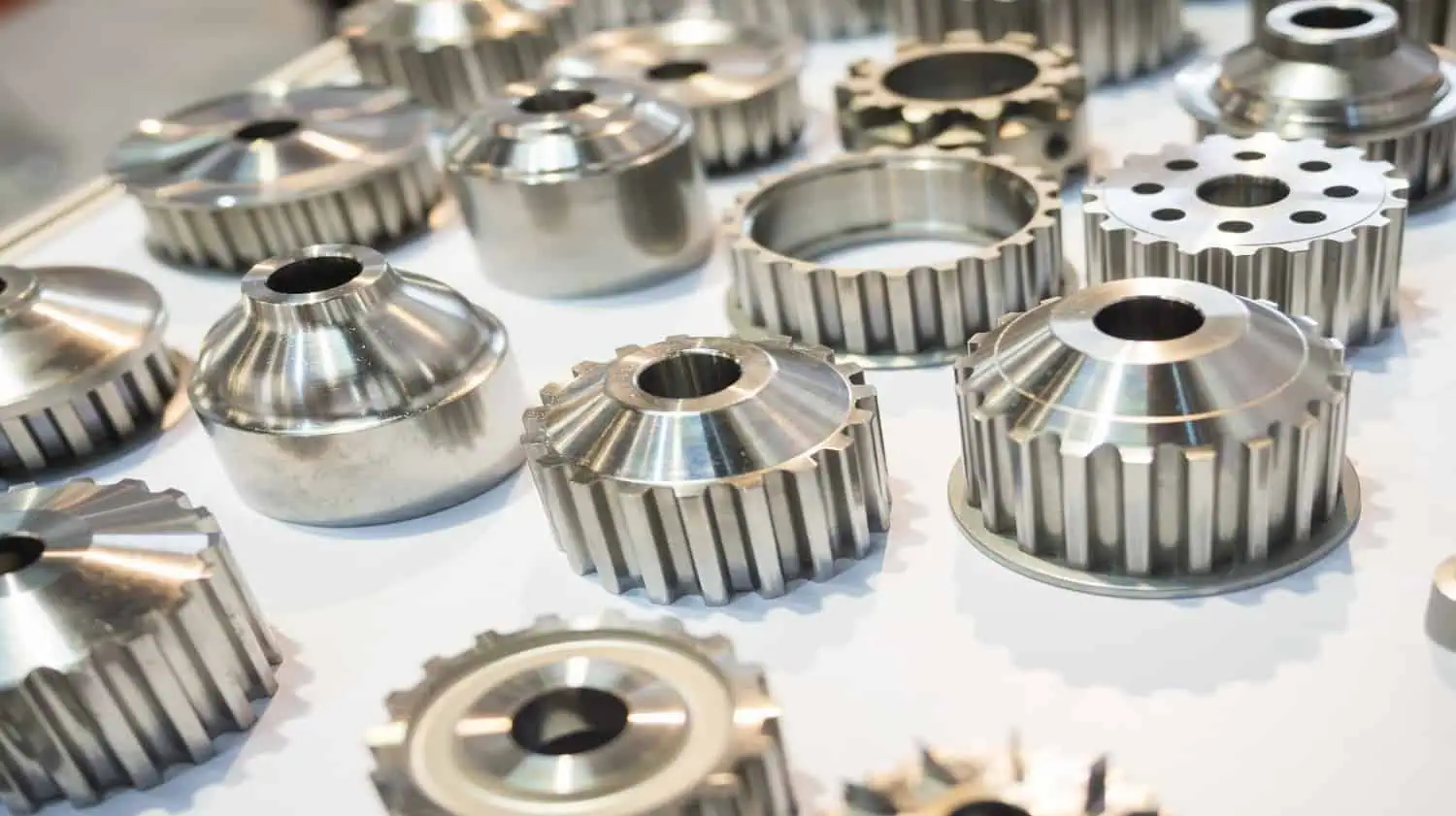
Casting is one of the oldest manufacturing techniques and is fundamental in the creation of components within industries like automotive, aerospace, construction, and healthcare. The choice of materials lies at the core of effective casting, and in contemporary manufacturing, alloys have been recognized as the basis of superior casting performance. An alloy is a mixture of two or more elements wherein at least one is a metal, enhancing the physical, chemical, and mechanical properties of the base metal for excellent casting performance.
This blog delves into the use of alloys in casting. This is the benefits and applications of alloys and how they improve the efficiency and quality of the casting process.
What are Alloys?
Alloys are substances created through the combination of a base metal with one or more other elements, which are metallic or non-metallic in nature. It strengthens the property of the base metal, such that it is more favorable to be used for particular applications. The new alloy can be found with better strength, toughness, corrosion resistance, thermal stability, or any other beneficial quality.
Examples of Alloys
- Steel (Iron and Carbon): A tough, versatile alloy utilized in building construction, automotive industry, and machinery manufacturing because of its exceptional strength and hardness.
- Brass (Copper and Zinc): With high corrosion resistance and good looks, brass is often employed in decorative fixtures, plumbing, and musical instruments.
- Aluminum Alloys (Aluminum with Magnesium, Silicon, or Copper): Light in weight but very strong, these alloys find extensive application in aerospace, automotive, and structural uses where a reduction of weight without sacrificing strength is necessary.
Alloys in Metal Casting
The enhanced properties of alloys render them perfectly suitable for casting, a process that enables manufacturers to produce intricate components that conform exactly to engineering specifications. By choosing the right alloy, manufacturers can create parts with better durability, wear resistance, and thermal performance, which guarantee optimal performance in applications with high stress levels like aerospace, medical, automotive, and industrial machinery.
With ongoing metallurgical progress, new and better alloys are being created that are increasing the potential for casting technologies, allowing high-performance components to be produced that spur innovation in many industries.

How Alloys Improve Casting Performance
1. Increased Mechanical Strength
Alloys are engineered to provide more tensile strength and toughness than pure metals. For example, aluminum alloys used in automotive and aerospace industries have high resistance to stress and pressure, making them safe and reliable.
- Example: Magnesium added to aluminum enhances its strength-to-weight ratio, which makes it an excellent material for lightweight but strong components.
2. Better Corrosion Resistance
Most alloys are formulated to provide better resistance to corrosion, thus making the cast product last longer. For example:
- Stainless Steel (iron, chromium, and nickel): Resistant to corrosion and rust; hence its usage is vast in the marine and medical sectors.
- Bronze (copper and tin): Commonly used in applications where it is exposed to water and moisture, such as propellers in ships and bearings.
Corrosion-resistant alloys decrease maintenance costs and increase product life.
3. Exceptional Thermal and Electrical Conductivity
Some alloys are formulated to achieve excellent thermal or electrical conductivity. This property has significant importance in electronics and power generation.
- Application: Copper alloys are extensively applied in casting electrical parts as their conductivity is exceptional, and this alloy can be easily cast into complex shapes.

4. High Wear Resistance
Wear-resistant alloys play a critical role in such applications that operate in severe friction environments like machine components and industrial equipment.
- Example: Adding manganese to steel increases its hardness and resistance to abrasion, making it suitable for mining and heavy equipment.
5. Lightweight Properties
Lightweight alloys, such as those based on aluminum and magnesium, are crucial in industries like aerospace and automotive, where reducing weight improves fuel efficiency and performance.
- Example: Aluminum-silicon alloys are used for engine blocks and other automotive components to balance weight reduction with durability.
6. Enhanced Castability
Some alloys are designed to have improved fluidity, reduce shrinkage, and avoid defects when cast. This means better mold filling, fewer imperfections, and closer tolerances.
- Example: Zinc alloys are popular for their good castability and the ability to create complex shapes. They are ideal for small, detailed parts.

Applications of Alloys in Casting
1. Automotive Industry
- Alloy Types: Aluminum-silicon, magnesium, and ductile iron.
- Applications: Engine blocks, transmission housings, wheels, and brake components.
- Benefits: Light, tough, and resistant to corrosion, with superior performance and fuel efficiency.
2. Aerospace
- Alloy Types: Aluminum and titanium
- Applications: Aircraft fuselages, engine parts, and landing gear
- Benefits: Excellent strength-to-weight ratio, resistant to very high and low temperatures
3. Electronics
- Alloy Types: Copper and its alloys
- Applications: Connectors, circuit boards, and heat sinks
- Benefits: Exceptional thermal and electrical conductivity
4. Construction Industry
- Alloy Types: Steel and aluminum
- Applications: Structural components, reinforcement, and architectural elements.
- Benefits: Durability and corrosion resistance for long-lasting infrastructure.
5. Medical Field
- Alloy Types: Titanium and cobalt-chromium alloys.
- Applications: Surgical tools, dental implants, and orthopedic devices.
- Benefits: Biocompatibility and high strength ensure safety and reliability.

Challenges in Using Alloys for Casting
While alloys offer numerous benefits, they come with challenges:
1. Higher Material Costs
Alloys, especially those with rare or expensive elements, can significantly increase production costs.
- Solution: Recycling and efficient material usage can help mitigate expenses.
2. Special Process Requirements
Some alloys require an extremely controlled temperature and equipment during casting to prevent some defects.
- Solution: Making a proper investment in current casting technologies ensures the delivery of high-quality products.
3. Environmental Factors
The extraction and production processes of alloying elements carry environmental impacts.
- Solution: Sustainable practices and responsible source material reduce ecological footprints.
Advancements in Alloy Production for Casting
Advances in material science continue to define the limits of what possible alloys can do in the casting process:
- High-Entropy Alloys (HEAs): Multiple elements in near-equal proportions, offering outstanding strength and stability.
- Smart Alloys: Memory or self-healing alloys, ideal for aerospace and medical applications.
- Eco-Friendly Alloys: Developed with sustainable materials and processes to reduce environmental impact.

Why Kbear Metal for Alloy Casting?
At Kbear Metal, we specialize in using the extraordinary characteristics of alloys to achieve superior casting solutions. And here’s why we stand as the preferred alloy caster for you:
- Years of experience in handling a range of alloys ensures precision and reliability.
- State-of-the-art facilities for casting complex designs with minimal defects
- Eco-friendly practices coupled with efficient material usage.
- Customized casting services to fulfill specific industry requirements.
Whether you need strong steel alloys or corrosion-resistant aluminum alloys, Kbear Metal delivers excellence in every cast.
Conclusion
Alloys play an indispensable role in enhancing the performance of casting; they offer strength, resistance to corrosion, and a versatile design. From the lightest automotive parts to the most durable industrial tools, the use of alloys in casting has transformed the face of modern manufacturing.
Knowing the benefits and challenges of working with alloys is key to optimizing the casting process. For anyone who wants precision and efficiency, partnering with a trusted foundry like Kbear Metal ensures access to the expertise and technology needed to bring your vision to life.



