


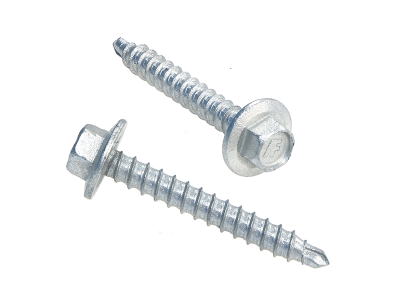
Fasteners play a fundamental role in almost every industry by holding components together in mechanical systems, structures, and everyday consumer products. From towering skyscrapers and vehicles to electronics and furniture, fasteners are essential to ensure that components stay securely in place. The vast variety of fasteners available today ensures that there is a proper fastening solution for every application, regardless of size, complexity, or environment.
Among the different types, some fasteners stand out due to their versatility, reliability, and wide-ranging applications. Whether the goal is a permanent bond or a detachable assembly, certain fasteners offer performance and convenience that make them the go-to choice across sectors. Understanding which form of fastener is most commonly used can help manufacturers, engineers, and DIY enthusiasts select the best solution for their needs.
This blog delves into the most commonly used form of fasteners, explains why they are so popular, and highlights their typical applications. By examining their material options, installation methods, and performance advantages, readers will gain a deeper understanding of why these fasteners dominate the industry. For any project—big or small—knowing your fasteners is key to long-lasting, dependable construction.
1. What Is a Screw?
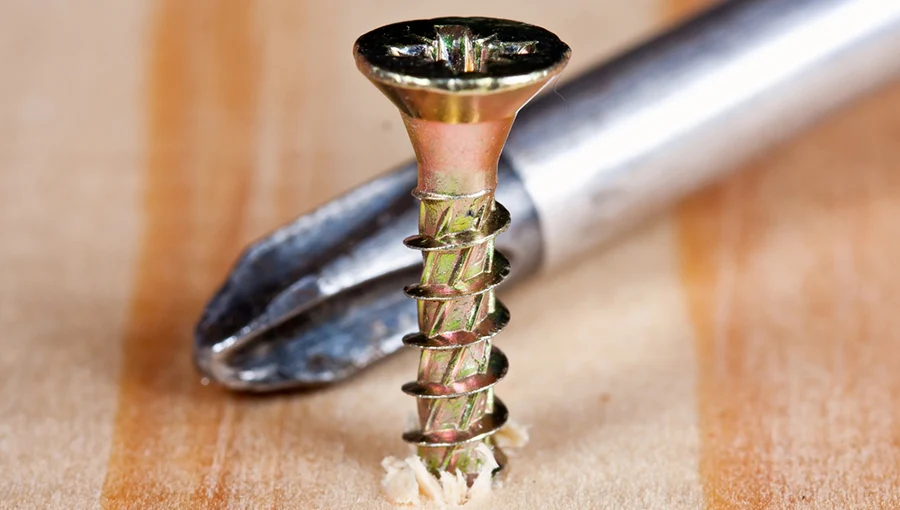
A screw is a type of fastener characterized by a helical ridge (thread) wrapped around a cylindrical shaft, ending in a pointed or blunt tip. It typically has a head—such as a flathead, Phillips, or hex—that is designed to be driven by a tool like a screwdriver or wrench. Screws are commonly used to join materials like wood, metal, or plastic.
When inserted into a pre-drilled hole or driven directly into a material, the threads on a screw create friction and mechanical interlock, securing the components firmly together. Unlike nails, which depend primarily on friction to stay in place, screws provide a much stronger and more durable hold due to their threaded design. This makes them ideal for both permanent and temporary assemblies. Screws are widely used in construction, furniture manufacturing, automotive assembly, electronics, and home repairs because they offer excellent holding power, are easy to install or remove, and support repeated use without compromising strength.
Their versatility, strength, and ease of use make screws the most commonly used fasteners across a wide range of industries and applications.
2. Key Reasons for Their Dominance
The dominance of market leaders in any industry is often driven by several key factors that set them apart from competitors. First and foremost, they typically possess a strong brand reputation and customer loyalty, which are cultivated through consistent quality, effective marketing, and positive customer experiences. Additionally, their extensive resources—such as capital, infrastructure, and technology—enable them to scale operations, innovate continuously, and adapt swiftly to market changes.
Competitive advantages like proprietary technology, patents, or specialized expertise further reinforce their position. Strategic partnerships and a wide distribution network also play crucial roles in maintaining dominance by increasing market reach and operational efficiency. Moreover, their ability to anticipate and respond to consumer trends allows them to stay ahead of competitors. Overall, a combination of brand strength, resource allocation, innovation, and strategic planning underpins their sustained leadership and influence within their industries.
2.1 Versatility Across Materials
Screws excel in joining a wide range of materials:
- Wood: Wood screws are ideal for furniture assembly, cabinetry, carpentry, and general woodworking. These screws usually have a coarse thread that provides excellent grip in soft or hardwood. Applications include deck building, drywall installation, and framing. Drywall screws and deck screws are popular examples designed specifically for these environments.
- Metal: Metal screws are used in sheet metal fabrication, industrial equipment, and automotive assembly. Self-tapping screws, which can cut their own threads, are especially useful in metalwork where precision and strength are needed. These screws are often found in HVAC systems, metal roofing, and machinery.
- Plastic and Composite: For applications in electronics, household appliances, and hobby projects, screws made for plastic and composite materials are vital. They are often small and precision-engineered, such as the Phillips screws used in laptops, remote controls, or gaming consoles. These screws provide strong fastening without damaging the soft material.
- Masonry and Concrete: Masonry screws are specially designed to penetrate hard materials like brick, stone, and concrete. With reinforced tips and sharp threads, these screws anchor fixtures securely. They are widely used for attaching shelving brackets, securing structural hardware, or mounting outdoor fixtures on concrete walls.
2.2 Reusability and Adjustability
Reusability and adjustability are key advantages of screws compared to permanent fasteners like rivets or welds. Screws are designed to be easily removed and reinstalled multiple times without causing damage to the host material, as long as the threads remain in good condition. This feature offers significant flexibility in various applications, allowing for easy adjustments, repairs, or modifications without the need for new fasteners or extensive work. For instance, in modular furniture, screws enable parts to be swapped or upgraded with minimal effort.
Similarly, in equipment maintenance, screws facilitate quick disassembly for repairs or inspections, reducing downtime and costs. Additionally, screws are essential in prototype construction, where frequent changes and testing are common. Their ability to be reused not only saves resources but also promotes sustainability by reducing waste. Overall, the reusability and adjustability of screws make them versatile, cost-effective, and practical fasteners for a wide range of industrial, commercial, and DIY applications.
2.3 Strong Holding Power
The helical threads of a screw convert rotational force into linear motion, pulling the fastener deep into the material. This design provides superior tensile strength (resistance to pulling apart) and shear strength (resistance to sideways forces) compared to nails or staples. For example, a wood screw can hold up to 10 times more weight than a nail of the same diameter.
2.4 Diverse Types and Sizes
Screws come in an enormous variety of designs to suit specific needs:
- By Head Type:
- Phillips (cross-shaped, prevents slippage).
- Flathead (sits flush with surfaces).
- Hex head (used with wrenches for high torque).
- Torx (star-shaped, preferred in electronics for precision).
- By Tip Design:
- Self-tapping (for metal and plastic).
- Countersunk (for flush mounting).
- Thread-cutting (for wood and masonry).
- By Material:
- Steel (standard, often coated for corrosion resistance).
- Stainless steel (for outdoor or marine use).
- Brass or aluminum (for decorative or lightweight applications).
2.5 Ease of Use and Accessibility
Screws require minimal tools for installation (e.g., a basic screwdriver or power drill) and are widely available in hardware stores, making them accessible to professionals and DIY enthusiasts alike. Their standardized sizing (e.g., #2 Phillips, M4 metric) simplifies selection for any project.

3. Applications in Diverse Industries
3.1 Construction and Woodworking
- Use Cases: Framing, drywall installation, deck building, and furniture assembly.
- Popular Types: Drywall screws (sharp tips for easy insertion), deck screws (corrosion-resistant for outdoor use), and lag screws (heavy-duty for structural connections).
3.2 Electronics and Appliances
- Use Cases: Securing circuit boards, casings, and components in smartphones, laptops, and household appliances.
- Popular Types: Miniature Phillips or Torx screws (small diameters, precise threading to avoid damaging delicate parts).
3.3 Automotive and Machinery
- Use Cases: Engine assembly, chassis repairs, and vehicle customization.
- Popular Types: Self-locking screws (prevent loosening from vibration), hex bolts (a type of screw with a hexagonal head), and threaded inserts (for repairing stripped threads).
3.4 Furniture and DIY Projects
- Use Cases: Assembling flat-pack furniture (e.g., IKEA kits), mounting shelves, and home repairs.
- Popular Types: Pan-head screws (visible heads for decorative effect), carriage bolts (for wood-to-metal connections), and toggle screws (for hanging objects on drywall).

4. Evolution and Innovations
Screws have evolved significantly since their invention in ancient Greece (initially used for pressing grapes and olives). Key advancements include:
- Machine Screws: Precision-cut threads for industrial machinery (18th century).
- Self-Drilling Screws: Tips that eliminate the need for pre-drilling (20th century).
- Smart Screws: Modern innovations like torque-sensitive screws (for quality control in manufacturing) and biodegradable screws (for medical implants).
5. Alternatives and Limitations
While screws are dominant, they have limitations:
- Time and Effort: Installation requires turning, which can be slower than hammering nails.
- Material Thickness: Deep threads may not suit very thin materials (e.g., fabric, where staples or snaps are preferred).
- Alternatives:
- Nails: Faster for simple wood-to-wood joins (e.g., framing).
- Rivets: Permanent, used in aircraft and sheet metal.
- Adhesives: For seamless bonds (e.g., in electronics).
However, these alternatives rarely match the screw’s combination of strength, reusability, and adaptability.

Conclusion
While there are many types of fasteners available to suit different purposes, bolts and screws remain the most commonly used due to their unmatched versatility, strength, and ease of use. They are foundational to construction, manufacturing, electronics, and everyday maintenance tasks. Choosing the right bolt or screw ensures a reliable and secure assembly, which is crucial for both safety and performance.
For your fastening needs—whether standard or customized—trust Kbear Metal to deliver high-quality, precision-engineered fasteners tailored to your project requirements. Our fasteners are manufactured to meet rigorous industry standards, ensuring strength, durability, and consistent performance across a wide range of applications.
If you’re looking for fasteners for your next project, look no further than Kbear Metal Fasteners. Not only do we stock every conceivable fastener under the sun, but our team of experts is always available to offer advice and guidance, ensuring that you choose the perfect fastener for your specific needs.
Contact us today to learn more about our extensive range of fasteners and how we can support your next project with reliable, high-performance solutions.



