


In a world that moves more and more toward sustainability and efficiency, gravity die casting stands out with its precision manufacturing and ecofriendly practices. This casting process, which relies on the force of gravity to fill molds, has gained preference for its ability to offer high-quality, consistent pieces while minimizing waste and using less energy.
This blog covers the process of gravity die casting, its benefits, applications, and why it is a sustainable choice in modern manufacturing.
What is Gravity Die Casting?
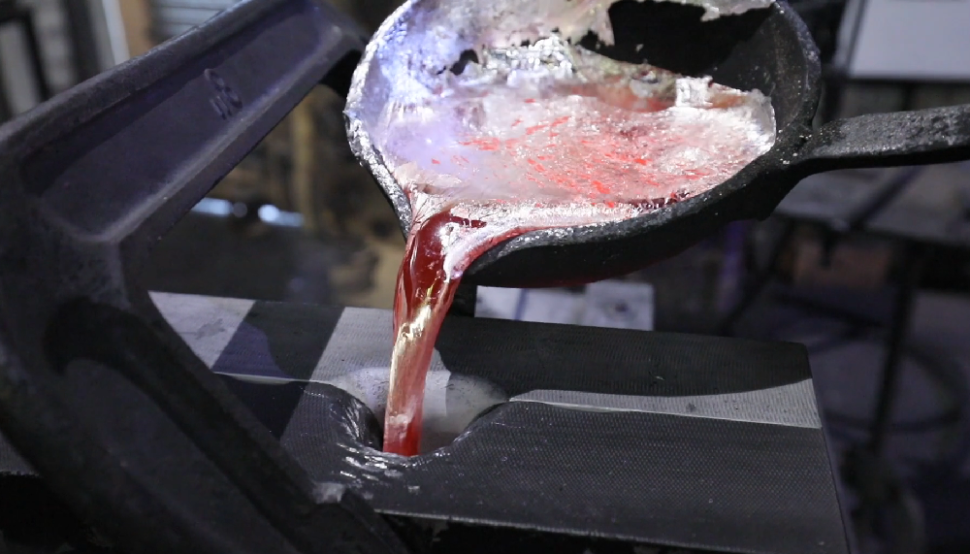
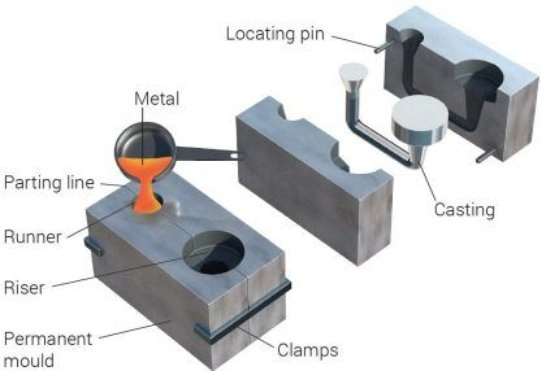
Gravity die casting is a process of casting molten metal into a reusable mold, known as a die, using gravity. This process is different from the pressure die casting process since it does not use an external force to push molten metal into molds; instead, it relies only on gravity to shape it.
The molds are typically made from durable materials like steel or iron, allowing for repeated use, making the process both cost-effective and environmentally friendly.
The Gravity Die Casting Process
The process involves several well-coordinated steps to ensure precision and quality:
1. Preparing the Mold
The mold is first heated to the correct temperature that allows molten metal to flow into it with minimal hindrance and lowers the possibility of defects. Finally, it is coated with a releasing agent to remove the solidified casting easily.
2. Pouring of molten metal
Molten metal, typically aluminum, zinc, or magnesium, is poured into the mold through a gating system. The metal fills the cavity naturally due to gravity. This ensures uniform distribution of the metal.
3. Solidification and Cooling
The metal is allowed to cool and solidify inside the mold. Cooling is the essential process that determines the structural integrity as well as the dimensional accuracy of the final product.
4. Removal of Casting
Once the casting has set, it is ejected from the mold. The mold is available for reuse in the following cycle to increase productivity.
5. Finishing and Inspection
The casting gets finishing processes like trimming and machining according to specifications and then is inspected for quality.
Advantages of Gravity Die Casting
Gravity die casting is a highly preferred process by manufacturers because it is a sustainable and efficient means of manufacturing.
1. High Dimensional Accuracy
Reusing metal molds provides good dimensionality and tight tolerances, making it suitable for precise components.
2. Good Surface Finish
Gravity die casting gives parts a good surface finish, meaning there is minimal finishing and machining.
3. Strong and Durable
Fine-grain structures are achieved due to the slow cooling process, thus providing greater strength and durability in the cast product.
4. Economical
Reusable molds minimize material waste and production costs, especially for medium-to-large production runs.
5. Environmentally Friendly
Gravity die casting minimizes waste, uses less energy than pressure die casting, and uses recyclable materials, which aligns with sustainability goals.
Applications of Gravity Die Casting
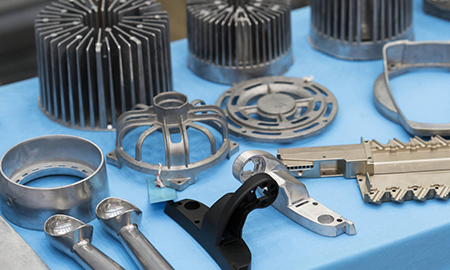
Gravity die casting is versatile and finds applications in various industries, including:
1. Automotive Industry
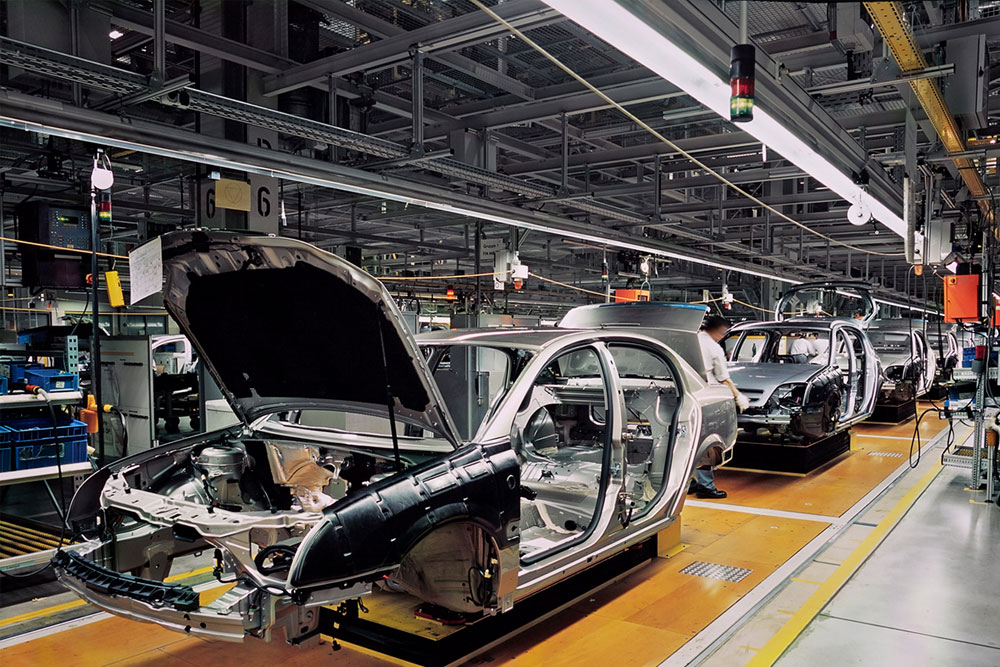
Used for the production of component parts such as engine blocks, cylinder heads, and brake parts due to its ability in producing lightweight yet durable parts.
2. Aerospace Industry
Used in manufacturing high-precision components such as turbine blades and structural elements that strictly adhere to quality standards.
3. Consumer Products
Utilized in making durable products like cookware, tools, and decorative items with higher finishes.
4. Electrical Industry
Used in casting components such as connectors and housings that require very high strength and precision.
5. Medical Equipment
Suitable for producing complex and consistent parts for medical equipment.
Gravity Die Casting Sustainability
1. Less Material Waste
Material waste is minimized due to the use of accurate molds and minimal machining.
This makes it an environmentally friendly process.
2. Energy Conservation
Gravity die casting consumes less energy compared to other casting processes because it does not depend on external pressure or pumps to fill molds.
3. Recyclability
The materials used for molds and casting can be reused, reducing the environmental impact of manufacturing.
4. Reduced Emissions
Gravity die casting contributes to lower greenhouse emissions because of optimized processes with less energy consumption.
]Problems of Gravity Die Casting
Even though gravity die casting is one of the most beneficial techniques of casting, it is not without some drawbacks. These include:
1. Lack of Complexity
It might be challenging to cast thin-walled or highly intricate parts using gravity.
2. Higher Tooling Costs
The process of creating durable molds is quite expensive and not very suitable for low production runs.
3. Metal Flow Problems
Poor pouring techniques or gating design can cause porosity or incomplete filling.
Why Gravity Die Casting?
Gravity die casting is one process where the manufacturers of high-quality items prefer this, along with some of its other benefits – sustainability and efficiency. Many components with precision can be mass produced in gravity die casting. However, its various drawbacks could be well mitigated in this century by modern advancement like a high-quality mold design as well as automation.

What’s Kbear Metal Specialty with Gravity Die Casting
At Kbear Metal, we offer gravity die casting solutions for your specific needs. Here is why we are the right partner for you:
- Advanced Facilities: Our equipment ensures that every casting is precise and consistent.
- Experienced Staff: Years of experience enable our staff to take on even the most challenging casting problems.
- Eco-Friendly Practices: We use only environmentally friendly practices that are in line with current environmental standards.
- Custom Solutions: Whether you require lightweight parts in cars or robust industrial components, our customized solutions are delivered for you.
- Kbear Metal offers unmatched expertise, reliability, and a strong commitment to quality in terms of gravity die casting.
Conclusion
Gravity die casting proves as the epitome of balanced heritage of traditional craftsmanship and sustainability. It is precise in cost, eco-friendly practice, and thus preferred for use by industries all around the world.
Gravity die casting, be it in the production of automobile components, aerospace parts, or consumer goods, guarantees results you can bank on. To avail yourself of this green casting technology, just contact Kbear Metal for answers that are better than you thought.



