


In metal casting, the right material is what will make your project successful. Among these, the two most popular ones are steel and aluminum. Both of them have unique properties and advantages. No matter which sector you are working on in the automotive, aerospace, construction, or industrial field, knowing the difference between steel casting and aluminum casting will make a proper decision.
This blog will discuss the key differences between these two casting processes: their properties, applications, advantages, and limitations. What is Steel Casting?
Steel casting is the process of pouring molten steel into molds to produce parts that are strong, durable, and versatile. Steel castings are highly resistant to wear, impact, and high temperatures and are thus recommended for heavy-duty applications. The most common methods for steel casting include sand casting, investment casting, and die casting.
Properties of Steel Castings
- High Strength: Steel castings have higher mechanical strength which makes them suitable for applications that require structural and bearing loads.
- Heat Resistance: Steel retains its integrity even up to high temperatures, making it durable even in extreme conditions.
- Versatility: Steel can alloy with other elements to make properties such as corrosion resistance and toughness better.

What is Aluminum Casting?
Aluminum casting is the manufacturing process where molten aluminum is poured into molds to produce light-weighted, corrosion-resistant, and highly conductive components. It is highly utilized in industries that require weight reduction, such as in automotive and aerospace industries. Techniques used in aluminum casting include die casting, sand casting, and investment casting.
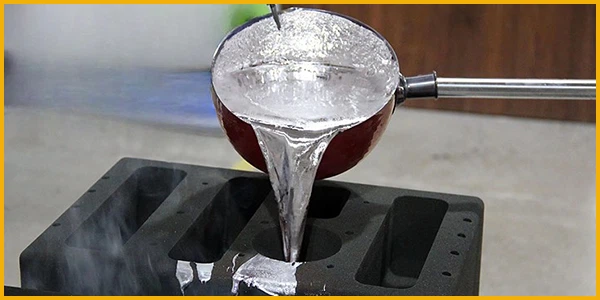
Properties of Aluminum Castings
- Lightweight: Aluminum has an excellent strength-to-weight ratio. It is suitable for use in applications where weight is the major concern.
- Resistance to Corrosion: Its oxide layer protects it from corrosion and degradation.
- Thermal and Electrical Conductivity: Aluminum has excellent heat-dissipation and electrical applications.
Key Differences Between Steel Casting and Aluminum Casting
1. Weight
- Steel: Heavier than aluminum. They are ideal for use in applications that require stability and strength.
- Aluminum: Light in weight, thereby reducing the overall product weight and enhancing the fuel efficiency in transportation.

2. Strength
- Steel: It offers high tensile strength and can support high stress; therefore, it is suitable for heavy-duty applications.
- Aluminum: Not as strong as steel, but aluminum has a high strength-to-weight ratio, which makes it excellent for lightweight structures.
3. Corrosion Resistance
- Steel: Rusts without proper treatment, although stainless steel alloys have excellent corrosion resistance.
- Aluminum: Resistant to corrosion, even in marine and outdoor environments, because of the oxide layer.
4. Heat Resistance
- Steel: Resistant to heat; it is used in high-temperature applications such as furnaces or engine components.
- Aluminum: Poor resistance to heat, which is a disadvantage in extreme environments.
5. Cost
- Steel: More expensive because it takes more energy to melt and cast.
- Aluminum: Less expensive, especially for large production runs.

6. Applications
- Steel Casting: It is applied for structural parts, heavy machine, and tools that need much strength and durability.
- Aluminum Casting: It is typically applied in automotive parts, aerospace components, and household appliances where weight loss and resistance to corrosion are the main priorities.
Advantages of Steel Casting
- Heavy Load Carrying Capacity: It is resistant to heavy loads and impact.
- Long Lasting: It lasts for a longer time even in severe conditions.
- Customization: Alloys of steel can be formulated according to the requirements.
Limitations of Steel Casting
- More expensive than aluminum.
- Higher weight that can restrict specific use applications.
Benefits of Casting with Aluminum
Light weight. Very suitable for companies requiring lower fuel consumption and easy movement.
- Environmentally friendly: Aluminium can be recycled 100%, requiring minimal energy for its recycling.
- Versatile: Capable of producing intricate and highly accurate shapes.

Limitations of Casting with Aluminium
- Low tensile strength in comparison to steel.
- Cannot sustain high temperatures.
- Decision between Casting with Steel or Aluminum
Based on the differences described, which material to choose to cast depends on:
- Project Requirements: Identify the strength, weight, and durability requirements of your application.
- Environment: Decide whether the part will be exposed to corrosive environments or extreme temperatures.
- Cost: Material and production costs are included.
- Volume: Aluminum casting is preferred for high-volume production due to cost.
Applications of Steel Casting vs. Aluminum Casting
- Steel Casting Applications
- Bridges and construction frameworks.
- Industrial tools and machinery.
- High-temperature components such as turbine blades.

Aluminum Casting Applications
- Automotive parts like engine blocks and wheels.
- Parts used to create the fuselage, the landing gear, consumer products-cookware, electronics and other
Why Kbear Metal?
We offer both aluminum and steel casting. From our experience comes a solution based on your needs.
We here show you why we are best
- For you: Expert staff-the place that ensures every bit of work made in casting leaves the department accurately
- Modern facility : We are very well set up with state-of- the-art technology to accomplish both steel and aluminum casting.
- Custom Solutions: We are able to help in designing small intricate parts and huge structural components that your requirement demands.
- Eco-Friendly Practices: We work on efficiency and the processes used also ensure that all recyclable materials are being utilized.
From steel’s strength to aluminum’s lightness, Kbear Metal knows how to deliver outstanding results in either area.
Each has its own benefits and therefore is not possible to imagine without them in modern manufacturing. Steel casting is very strong and resistant to wear, while aluminum casting is light and flexible with good resistance to corrosion. Knowing their main differences, you can make the best choice for your project.
For all your casting needs, look no further than Kbear Metal for precision, reliability, and innovation. Contact us today to see how we can help bring your vision to life!
Conclusion
Steel casting and aluminum casting each bring unique advantages to the table, making them indispensable in modern manufacturing. Steel excels in strength and durability, while aluminum offers lightweight versatility and corrosion resistance. By understanding their key differences, you can select the best material for your project’s needs.
When it comes to precision, reliability, and innovation, Kbear Metal is your go-to partner for all your casting requirements. Reach out today to learn how we can bring your vision to life!



