

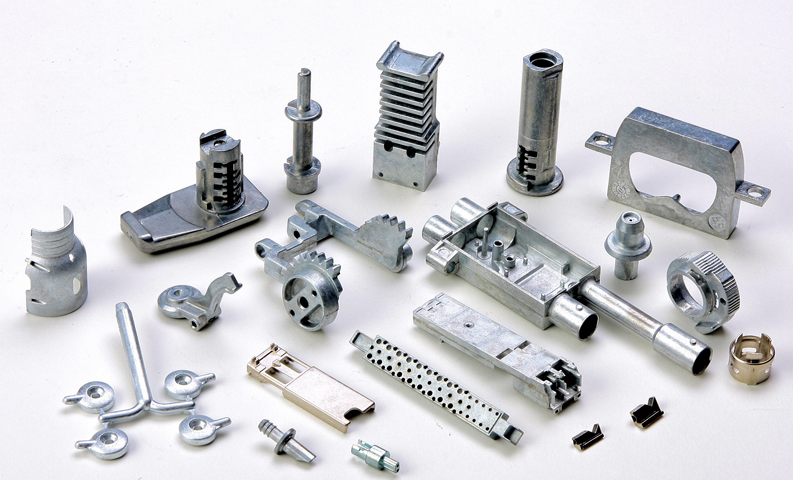
Preciseness, reliability, and innovation have been the essence of modern medicine. One of the very much-neglected contributors to advancements in medical science is the metal casting process. This manufacturing process has revolutionized the medical industry, making it possible to produce complex tools and parts that save lives and advance patient care.
From surgical instruments to cutting-edge prosthetics, casting plays an essential role in shaping the tools and devices that healthcare professionals rely on daily.
The Importance of Casting in the Medical Industry
The medical field demands components that meet strict standards of hygiene, durability, and precision. Casting fulfills these needs through its ability to:
- Create Intricate Designs: Medical tools often require complex shapes and tight tolerances, which casting can achieve.
- Use Biocompatible Materials: Casting processes are easily accommodated to materials such as stainless steel, titanium, and cobalt-chrome that are biomedical compatible.
- Allow Scaling: The casting process is versatile for few custom parts to high volume manufacture of standardized components.
- Help Innovation: Development in the casting technology has enabled medical industry to come up with highly advanced devices, which range from surgical robots and sophisticated implants.

Use of Casting in the Medical Domain
1. Surgical instruments
Casting is essential for manufacturing sharp, long-lasting surgical instruments. These instruments must remain sharp, corrosion-resistant, and easy to sterilize. Some of the common instruments that are cast include:
- Scalpels
- Forceps
- Clamps
- Retractors
Casting ensures uniformity and high-quality finishes that help ensure the performance of surgical instruments.
2. Medical Implants
Metal casting allows for the creation of implants that are durable and biocompatible enough to function well in the human body. Examples include:
- Orthopedic Implants: Joint replacements, for instance, the hip or knee, cast in titanium or cobalt-chrome to offer durability and compatibility with the human tissue.
- Dental Implants: Cast components in dental prosthetics, to produce the posts and abutments.
3. Prosthetics
Light weight, robust frames in prosthetic devices depend on casting. Casting materials used here are aluminum and titanium so that they are light yet strong, comfortable to wear.
4. Components for Medical Equipment
Even bigger medical machines rely on cast parts for structural and operational integrity. Some of them include:
- MRI Machines: The casting of the frames stabilizes the complex machinery.
- Surgical Robots: Precisely cast parts ensure that operations are smooth and trouble-free in robotic-assisted surgery.
5. Diagnostic Instruments
Metal casting in making parts for diagnostic appliances, such as CT scanner, X-ray machines among others, ensures high performing, durable critical devices.

Common Material Used in Medical Casting
While deciding on the material for a cast, it is of importance that the components have passed the strict safety and performance test. The common materials in such cases are:
Stainless Steel: Stainless steel is good for surgical instruments and also implants because of its quality of corrosion resistance and hardness.
- Titanium: Biocompatibility and light-weight titanium is widely used as an implant and prosthetic.
- Cobalt-Chrome Alloys: These alloys are very resistant to wear and abrasion and are, therefore, used in orthopedic implants.
- Aluminum: It is used in the medical equipment for light weight components.

Casting Techniques Used in the Medical Industry
1. Investment Casting
Investment casting is the most preferred technique for the production of small, complex components with high precision. This technique is used in the production of surgical instruments and implants because it can produce smooth finishes and intricate designs.
2. Sand Casting
For bigger medical equipment parts, sand casting is economical. It is often used in manufacturing machine frames and housings.
3. Die Casting
Die casting is used in the mass production of standard components such as diagnostic equipment parts and equipment housings.
4. Vacuum Casting
Vacuum casting eliminates the presence of porosity and defects in the component. This is suitable for high-precision medical applications like implants and surgical tools.
Benefits of Casting in the Medical Industry
1. Precision
Casting techniques offer the precision required for intricate medical components, ensuring reliability and performance.
2. Durability
Cast components are built to withstand wear and tear, making them ideal for medical tools and implants that must endure repeated use.
3. Scalability
Casting supports both custom, one-off designs and mass production, catering to the diverse needs of the medical industry.
4. Cost-Effectiveness
Compared to other manufacturing processes, casting provides a quality-cost balance, especially for high-volume production.

Medical Casting Problems and Solutions
1. Stringent Quality Requirements
Medical parts must meet the stringent requirements of quality to ensure both safety and efficacy.
Solution: Advanced quality control techniques, such as X-ray inspection and non-destructive testing.
2. Material Costs
High-quality, biocompatible materials like titanium are costly.
Solution: Material usage efficiency by using efficient casting techniques.
3. Precision Requirements
The medical industry requires high-precision accuracy in the measurement of components.
Solution: Techniques such as investment casting and CNC finishing may be used to achieve tight tolerance.

Why Kbear Metal for Medical Casting?
We know what it takes to address the specific needs of the medical industry. Here is why we are your one-stop shop for medical castings:
- Advanced Capabilities: Our cutting-edge technologies and state-of-the-art facilities ensure precision and quality.
- Expertise Materials: We are working on our expertise with biocompatibility metals, like titanium, and cobalt-chrome alloys.
- Quality Control: Highly stringent quality assurance in choice of material, assembly as well as in final quality inspection.
- Tailor Made Solutions: Work with individual clients to tailor the services to their requirements.
- Pan Global: Dedicated to deliveries on time, providing customers with world-class service as we support our customers with their needs worldwide.
The role of casting in medicine cannot be overstated. Indeed, from lifesaving surgical instruments to the latest diagnostic technologies, casting is used for the production of parts indispensable to modern medicine. So versatile, so precise and cost-effective, casting propels innovation in medicine continuously.
Whether you look for customized surgical instruments or quality implants, Kbear Metal is your go-to medical casting solution. Write to us today to explore how we can help get your medical components made, precision-engineered, and reliable.
Conclusion
The role of casting in the medical industry cannot be overstated. From lifesaving surgical tools to cutting-edge diagnostic equipment, casting enables the production of components that are essential to modern healthcare. With its versatility, precision, and cost-effectiveness, casting continues to drive innovation in medicine.Whether you’re looking for custom surgical instruments or high-quality implants, Kbear Metal is your trusted partner for medical casting solutions. Contact us today to learn how we can help bring your medical components to life with precision and reliability.