


Aerospace engineering is one of the most technologically innovative fields, pushing the boundaries of flight and space exploration. Among the basic manufacturing techniques that support this industry is metal casting. From turbine blades to intricate structural components, metal casting provides the precision, strength, and reliability required to meet the demanding standards of aerospace applications.
We shall explore here the critical role of metal casting in aerospace engineering, the types of components produced using casting, the materials employed, and the benefits that this technology provides.
Why Metal Casting is Important in Aerospace Engineering
The components required in aerospace engineering need to be highly robust to withstand extreme conditions of high temperatures, pressure, and stress, yet should also provide lightweight and precise performance. There are several reasons why metal casting stands out as an important manufacturing process.
- Complexity: Casting makes it possible to create complicated geometries that cannot be accomplished with other techniques.
- Material Versatility: It accommodates a wide variety of metals and alloys to suit certain aerospace applications.
- Durability: Cast parts have great strength and resistance to wear and fatigue.
- Cost-Effectiveness: Metal casting is efficient in the large-scale production of high-performance parts.
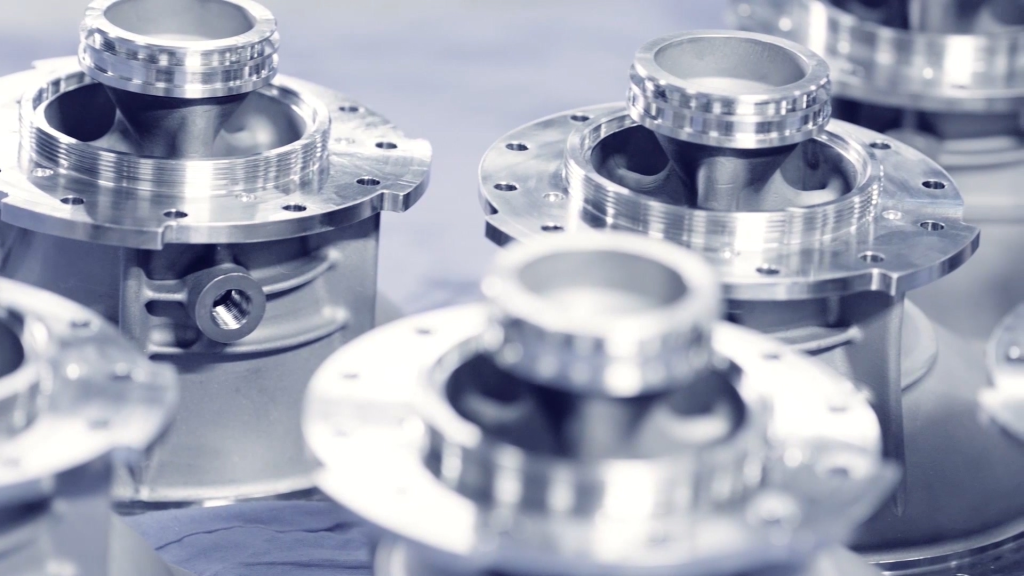
Applications of Metal Casting in Aerospace Engineering
1. Engine Components
Aircraft engines are a marvel of engineering, requiring parts that can withstand high temperatures and extreme stress. Key cast components include:
- Turbine Blades: Precision-cast turbine blades made from high-temperature alloys ensure efficiency and durability.
- Combustion Chambers: Cast chambers provide the resilience needed for intense heat and pressure during operation.
- Exhaust Nozzles: Casting produces lightweight yet strong nozzles for efficient thrust generation.
2. Structural Components
The structural integrity of aircraft relies heavily on cast components:
- Frames and Brackets: Lightweight yet robust, these components support the whole structure while reducing weight.
- Landing Gear: Cast landing gear parts provide the necessary strength to withstand the shocks of takeoff and landing.
3. Spacecraft Components
In space exploration, precision and durability are not compromises. Metal casting allows for the manufacture of components such as:
- Rocket Engine Parts: High-precision casting ensures reliability during launch and propulsion.
- Satellite Housings: Cast housings protect sensitive equipment from harsh space environments.
4. Heat Shields and Thermal Barriers
Critical in aerospace engineering, heat shields and thermal barriers are also used in re-entry vehicles as well as high-speed aircraft. Metal casting enables the casting of these parts using high-temperature alloys.

Materials Used in Aerospace Metal Casting
Material choice is of utmost importance in aerospace metal casting, as the parts are to be subjected to extreme temperatures, mechanical stress, and challenging environmental conditions while having to keep structural integrity and performance. The most widely used materials for aerospace casting are:
- Aluminum Alloys – Due to their light weight and superior corrosion resistance, aluminum alloys are extensively utilized in structural parts, fuselage sections, and engine casings. Their capacity to lower the overall weight of an aircraft helps improve fuel efficiency and flight performance.
- Titanium Alloys – Known for their excellent strength-to-weight ratio and resistance to elevated temperatures, titanium alloys play a critical role in aerospace usage, including jet engine components, landing gear, and structural airframe parts. The inherent corrosion- and oxidation-resistant properties of these alloys render them especially beneficial to endure extreme working conditions.
- Nickel Alloys – Tailored to endure severe heat and mechanical stress, nickel alloys are widely used in aerospace high-temperature applications such as turbine blades, exhaust systems, and combustion chambers. Their higher oxidation and corrosion resistance provide longevity and reliability in the most adverse flight conditions.
- Stainless Steel – Durable, strong, and corrosion-resistant, stainless steel is commonly used in vital aerospace parts like fasteners, landing gear components, and exhaust systems. Because of its ability to retain strength when subjected to high stress and temperature fluctuations, it is a reliable option for tough applications.
By utilizing these advanced materials, aerospace manufacturers can produce high-performance, lightweight, and durable components that meet the rigorous safety and efficiency standards of modern aviation technology.

Casting Techniques in Aerospace Engineering
Aerospace engineering uses several advanced casting techniques to achieve high precision and performance:
1. Investment Casting
Process: Wax pattern coated with a ceramic shell, which is then replaced by molten metal.
Applications: Used for turbine blades, vanes, and other intricate components.
- Advantages: Provides high accuracy and fine surface finish.
2. Sand Casting
- Process: The process is used in producing large parts.
- Applications: This process is suitable for big structural parts and housings.
- Advantages: The process is cost-effective when producing large-scale parts.
3. Die Casting
- Process: Molten metal is injected into the mold through pressure.
- Applications: These processes are suitable for lighter parts such as brackets and housings.
- Advantages: Fast production with quality guarantee.
4. Centrifugal Casting
- Process: Molten metal is filled into a mold rotating about an axis.
- Applications: It produces cylindrical parts such as engine rings.
- Benefits: It ensures even distribution of material and strength.

Advantages of Metal Casting in the Automotive Sector
Metal casting is very important in automotive production, allowing for the manufacture of robust, high-performance parts with maximum efficiency. The process has a number of advantages that make it play a role in vehicle performance, affordability, and environmental sustainability.
1. Lightweight Solutions
The application of light materials like aluminum and magnesium in metal casting contributes to decreased overall vehicle weight. This translates to better fuel economy, less carbon emission, and better vehicle performance. Lighter vehicles lead to sustainability by reducing environmental effects while ensuring structural integrity and safety.
2. High Precision and Complexity
New car designs call for complex parts with close tolerances, which metal casting effectively provides. Sophisticated casting processes allow for the creation of complex shapes, including engine blocks, transmission cases, and suspension parts, without requiring extensive machining.
3. Economical Production
Mass production is facilitated by metal casting with little material wastage, a very cost-effective manufacturing process. Through the effective use of efficient casting techniques, manufacturers can meet consistent quality, lower production cost, and reduce lead times. This scalability is critical for the automotive sector since high volumes of parts need to be produced at an efficient scale.
4. Material Versatility
Automotive makers have available to them many different metals and alloys designed to particular performance requirements. From heat resistance to corrosion resistance to mechanical strength, casting enables the use of materials that are appropriate to industry standards as well as government regulations.
5. Toughness and Strength
Cast parts are designed to be tough, with superb wear resistance, thermal stability, and structural strength. This is particularly important for automotive use when components have to endure high stress, harsh weather conditions, and repeated use without affecting performance and safety.
As automotive technology goes on improving, advances in metal casting, e.g., precision sand casting, investment casting, and die casting, are making vehicle components ever more efficient, of higher quality, and greener.

Problems in Aerospace Casting and Solutions
1. Porosity and Defects
Porosity can weaken the components, which makes them unsuitable for aerospace use.
- Solution: Vacuum casting and advanced quality control techniques minimize defects.
2. Material Costs
High-quality alloys like titanium and nickel can be expensive.
- Solution: Optimize material use through precise casting and recycling methods.
3. Compliances
Aerospace parts need to be tested and proved to meet rigorous safety and performance standards.
Answer: Leverage advanced testing and certification procedures.

Why Choose Kbear Metal for Aerospace Casting?
At Kbear Metal, we are dedicated to providing excellent casting solutions tailored to aerospace requirements. Here’s why we are your best choice:
- Advanced Facilities: High-tech facilities designed for accurate casting.
- Material Expertise: Decades of working with alloys suitable for aerospace application.
- Quality Assurance: Proper testing and inspection to confirm compliance with aerospace standards.
- Custom Solutions: Customized casting services to fit the specific needs of your project.
- Global Reach: Reliable delivery and support for clients worldwide.
Conclusion
Metal casting is a fundamental part of aerospace engineering, which enables the production of high-performance components that meet the industry’s stringent requirements. Its versatility, precision, and durability make it indispensable for applications ranging from aircraft engines to spacecraft parts.
As the aerospace industry continues to push boundaries, innovations in casting processes and materials will play a critical role in shaping the future. If you are looking for a trusted partner in aerospace casting, Kbear Metal combines expertise, advanced technology, and a commitment to excellence to deliver the solutions you need.



