


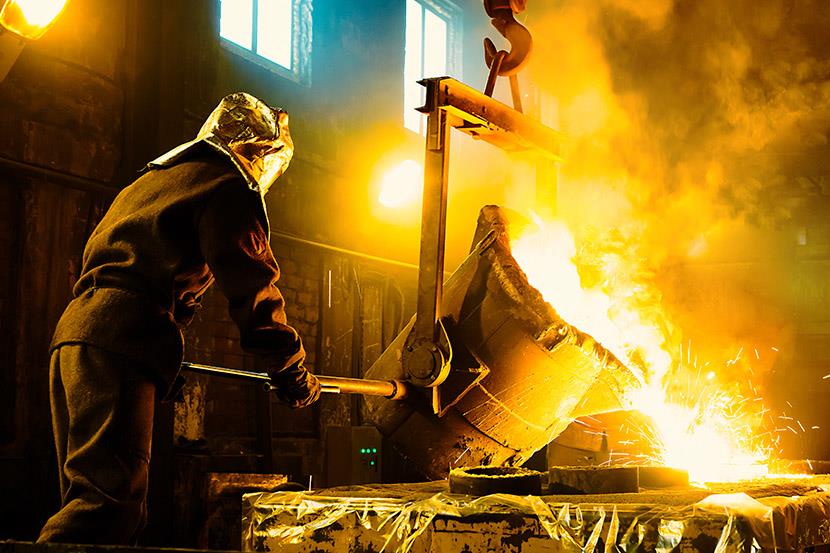
Metal casting is the bedrock of manufacturing. It is one way to create intricate parts for auto, aerospace, construction, and consumer goods. The difficulty in this process, however, is precision and efficiency in the face of increased competitiveness. Reducing costs while improving product quality and maintaining sustainability becomes essential.
This blog discusses strategies for optimizing metal casting processes, techniques, technologies, and best practices that improve precision and efficiency.
Why Optimize Metal Casting?
Optimization in metal casting has several key purposes:
- Quality Improvement: Reducing defects such as porosity, shrinkage, and warping.
- Cost Efficiency: Minimizing waste and reducing energy consumption.
- Faster Production: Improving processes to meet deadlines and increase throughput.
- Environmental Sustainability: Lowering emissions and material waste to be on par with eco-friendly practice.
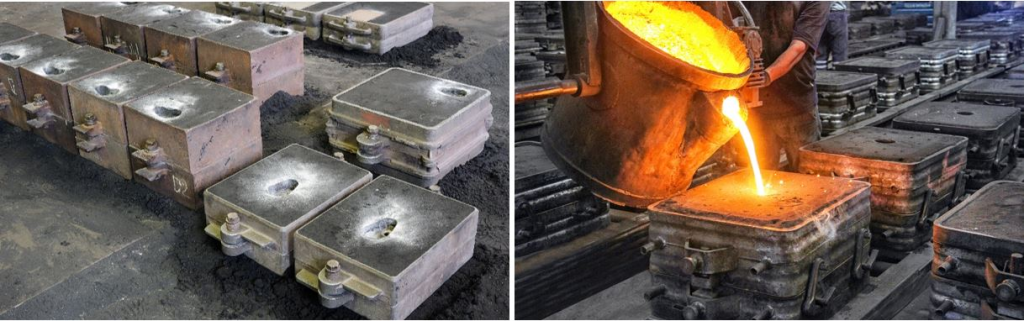
Key Components of Precision in Metal Casting
Precision in metal casting is the only way to produce high-quality parts. Here are the essential components:
1. Proper Mold Design
The mold is the base of the casting process. An ideal mold design:
Takes into account shrinkage during cooling.
Provides uniform wall thickness to prevent stress points.
Includes gating and venting systems for smooth metal flow and gas escape.
2. Quality Materials
Using high-grade metals and alloys can ensure better flowability, strength, and durability. Contamination in raw materials might affect the accuracy and introduce defects.
3. Process Control
Controlling factors like temperature, pouring rate, and cooling rates is essential to maintain consistency. Using advanced sensors and software enables real-time tracking of these factors for optimal results.
Efficiency in Metal Casting: Where to Focus
Efficiency in casting means reducing the amount of waste and maximizing output without compromising on quality. Key areas to focus on are:
1. Energy Consumption
Melting and pouring metal is a very energy-intensive process. Efficiency can be enhanced through:
- Efficient Furnaces: Use induction furnaces or regenerative burners to cut down energy consumption.
- Preheated Molds: This prevents thermal shock and reduces heating time.
2. Material Waste Reduction
Implement recycling programs on excess metal and mold material. Reduced gating and risers also save waste without comprising quality.
3. Automation
Automation improves consistency and minimizes human error in the process. Robotics or CNC machines can be effectively used to prepare molds, cast, and finish with less human error.
Technologies Bringing Precision and Efficiency
Advancement in modern casting technology has transformed its face. Some of these most influential innovations include:
1. Computer-Aided Design, CAD
CAD software allows for precise mold and product designs. Manufacturers can simulate the casting process and predict possible defects before production begins.
2. Simulation Software
Casting simulation tools like MAGMASOFT® and ProCAST® analyze metal flow, solidification, and cooling to optimize processes and prevent defects.
3. Additive Manufacturing
3D printing has introduced rapid prototyping for molds and patterns, enabling quick iterations and reducing lead times.
4. Advanced Alloys
New alloy formulations result in greater thermal and mechanical advantages so that better performance and higher dependability are realized from harsh applications.

Optimization Strategies for Casting Operations
The following are actional ways to achieve optimum cast operation:
1. Hold Relentless Testing
Have periodic testing of raw materials, molds, and the produced for consistency to be caught within a cycle.
2. Upgrade Employee Trainings
Keep up employee education with the newest in any technologies and techniques for easy implementations.
3. Share Resources with Experts
The advantages of experienced casting manufacturers include gaining access to the experience and specific tools that will be utilized in the manufacturing process.
4. Adopt Lean Manufacturing
Make your processes lean, so waste is removed, the workflow improves, and every step contributes value to the product.

Applications of Optimized Metal Casting
The optimized casting advantage has many applications across various industries:
- Automotive: Precise engine and transmission parts, structural components
- Aerospace: Light yet robust components for structures and structures
- Construction: Effective manufacture of beams and anchors among others.
- Medical: Precise casting of implants and surgical instruments.
- Case Study: Optimization in Action
- Imagine an automobile company that was facing porosity defects in the engine parts. They realized that through the use of casting simulation software, the cooling rates were not uniform, thus causing the defects. Modifying the mold design and adding controlled cooling systems resulted in:
- 25% defect rate reduction
- Faster production cycles
- Significant cost savings in rework and material waste

The Role of Sustainability in Optimization
Sustainability is now an important focus in metal casting. Optimized processes not only enhance efficiency but also reduce the environmental impact. Strategies include:
- Use of Recyclable Materials: Most casting alloys are recyclable, which means less resource depletion.
- Reduce Emissions: Efficient furnaces and energy management systems reduce greenhouse gas emissions.
- Waste Management: Reusing excess metal and mold materials reduces landfill accumulation.

Why Choose Kbear Metal for Optimized Casting Solutions?
- At Kbear Metal, we focus on precision and efficiency through leading-edge casting techniques. Here’s why we are your best bet for your casting requirements:
- Experience: Decades of experience in various casting techniques.
- Technology: Advanced simulation tools and automated processes for consistent quality.
- Sustainability: Commitment to eco-friendly practices without compromise on performance.
- Customization: Solutions tailored to meet the specific requirements of your project.
Conclusion
Optimizing metal casting for precision and efficiency is the key to delivering high-quality components while remaining competitive in today’s market. Through the use of advanced technologies, refinement of processes, and the adoption of sustainable practices, manufacturers can achieve remarkable results.
Kbear Metal is the precision casting company you can rely on. We at Kbear Metal are experts and dedicated to excellence to ensure that your casting needs are met with the best. Let’s talk today about your next project!



