

Fasteners are the unsung heroes of countless industries, holding together the fabric of modern infrastructure and machinery. From construction to automotive, aerospace to electronics, fasteners play a crucial role in ensuring structural integrity and reliability.
When selecting fasteners for industry application, it’s important that you select the right fasteners for your needs. That means not choosing a specific size and type, but also choosing the right material, coating and more.
Why the Right Fastener Matters
Fasteners may be the smallest component of your industrial product, but they’re among the most critical. It’s essential that you choose a fastener that meets the specific needs of your product and how it will be used.
Choosing the wrong fastener can result in a product that doesn’t hold up over time or under stress. The wrong fastener can also lead to expensive last-minute product redesigns or significantly increase your product cost.
As small as they may be, the fasteners you choose need to be of the same or better quality than the product they support. It’s not just about picking the lowest-cost fasteners – it’s about choosing the most appropriate fasteners to ensure your product’s reliability and lasting success.

Factors to Consider When Choosing Fasteners:
1. Material:
The choice of material is critical as it determines the fastener’s strength, corrosion resistance, and suitability for the intended application. Common materials include stainless steel, carbon steel, alloy steel, and brass. Consider factors such as environmental conditions, load requirements, and durability when selecting the material.
2. Type of Fastener:
Fasteners come in various types, each designed for specific applications. Common types include bolts, screws, nuts, washers, rivets, and pins. Understanding the requirements of your project or machinery will help determine the appropriate type of fastener to use.
3. Size and Thread:
Fasteners are available in a range of sizes and thread configurations to accommodate different loads and fitment requirements. Ensure that you select the right size and thread pitch to achieve proper engagement and prevent loosening or failure.
4. Strength and Grade:
Fasteners are classified into different strength grades based on their material composition and mechanical properties. Higher-grade fasteners offer increased tensile strength and resistance to shear forces, making them suitable for demanding applications. Consider the required strength grade based on the load and stress conditions in your application.
5. Corrosion Resistance:
Corrosion can significantly degrade the performance and lifespan of fasteners, especially in harsh environments. Opt for fasteners with appropriate corrosion-resistant coatings or materials, such as zinc plating, galvanization, or stainless steel, to ensure long-term durability and reliability.
6. Certification and Compliance:
Choose fasteners from manufacturers that adhere to international standards and certifications, such as ISO, ASTM, DIN, or ANSI. Compliance with industry standards ensures that the fasteners meet quality and performance requirements, giving you peace of mind regarding their reliability and safety.
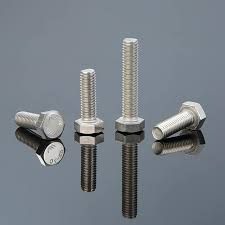
How to Choose the Right Fastener for Your Needs
When you’re selecting fasteners for your industrial applications, consider these seven questions before you make your choice.
1. How is the Fastener Being Used?
The first thing to consider is how the fastener and the product itself will be used. For example, if the fastener is regularly opened and closed, a durable solid metal fastener makes sense. If a fastener is seldom if ever opened, a lower-priced alternative, such as plastic, might be acceptable.
2. Where is the Fastener Being Used?
Environmental factors affect what type of fastener your product might need. Fasteners used indoors in undemanding conditions can be less robust than those used outdoors or in a more extreme environment. Consider also specific environmental demands. For example, exposure to saltwater can cause 18-8 grade (18% chromium, 8% nickel) stainless steel fasteners to corrode and lose integrity. If saltwater is a key environmental factor, fasteners made from 316 grade stainless steel will be less susceptible to rusting.
3. What’s the Right Type of Fastener?
As you’re aware, there are many types of fasteners available – bolts, screws, nuts, washers, rivets, anchors, inserts, rods, clips, pins, and more – and many variations within each fastener type. For example, you can choose from several different types of screw heads, including flat, oval, round, pan, hex, hex washer, truss, button, and socket cap. There are an equally diverse number of nut types, including hex, cap, acorn, jam, flange, square, tee, torque lock, K-lock, slotted, coupling, and castle.
Each type of fastener has its own inherent strengths, weaknesses and applications, making certain types of fasteners better choices in specific situations. You need to choose the right type of fastener for your specific product needs – how the fastener is being used, what materials it will be fastening, how the fastener fits within the overall product design, and more. You can choose from off-the-shelf fasteners or design your own custom fastener for a specific product need. (Off-the-shelf fasteners are less expensive and more readily available, of course, while custom fasteners may be the only way to meet unique product specifications.)
When determining a fastener type, familiarize yourself with the ASTM fastener standards. You can often use these standards to select the type of fastener you need.

4. What’s the Right Material?
Knowing how and where the fastener will be used should also help you determine the right material for your fasteners. The material you choose affects not just cost, but also the strength and corrosion resistance of the fastener.
You can choose from among these common materials:
- Steel (including stainless steel, carbon steel, and alloy steel) is the most common material used in fasteners today, because of its high tensile strength and durability
- Bronze, while more expensive, is superior to stainless steel in highly corrosive marine environments
- Brass, while softer than steel or bronze, is also highly resistant to corrosion
- Aluminum shares many of the same qualities as brass but is considerably lighter weight
- Nylon, which is lightweight and, unlike other materials, does not conduct electricity
Note that there are different grades within each material type. Choose the grade most suited for your usage and environment needs.
5. What’s the Right Coating?
Coatings are often added to fasteners to increase corrosion resistance. In some cases, though, coatings are purely decorative.
The most common fastener coatings include:
- Zinc plating provides good corrosion resistance, although it can rust if the coating is damaged or exposed to water or extreme humidity
- Galvanizing coats the fastener with a thicker layer of zinc for even better corrosion resistance, although the thicker coating can compromise fastener compatibility
- Chrome plating also improves corrosion resistance and adds visual appeal to the fastener
More chemically sophisticated coatings may also be available for specific applications, including:
- Fluoropolymer resin coatings for lubrication and corrosion resistance,
- Molybdenum Disulfide (MoS2) coatings for friction protection with high pressure loads
- Epoxy coatings for impact and abrasion resistance
- Phenolic coatings for high temperature environments
6. What’s the Right Size?
How and where the fastener is used also factors into the fastener size. Heavier-duty applications may require larger fasteners, while tighter designs may dictate smaller ones.
Most fastener types come in a variety of industry standard sizes. For example, metric bolts are sized from M5 to M30, with hole sizes from 5.5mm to 32mm.

KBear Metal – Your Trusted Fasteners Manufacturer
Kbear Metal is a top fastener manufacturer in China, offering a wide range of bolts, nuts, screws, washers, and other stainless steel fasteners in all sizes at the best factory prices for you.
Fasteners are hardware pieces that mechanically join multiple materials or objects together. Types include bolts, screws, anchors, rivets, nails, spikes, and staples, which secure materials through mechanical friction or with another fastener. Nuts, pins, safety lock wire, and retaining rings help secure these fasteners in place. Spacers, standoffs, washers, shims, and shim stock ensure correct spacing and alignment to prevent damage.
KBear Metal is a quality nuts and bolts fasteners manufacturer that has been supplying standard and custom fasteners supplier since 1989. We offer a wide range of standard and metric fasteners in materials like steel, stainless steel, brass, silicon bronze, Hastelloy, Inconel, Monel, aluminum, alloy 20, 17-4PH, 17-7PH, titanium, and other non-ferrous metals. We supply over 100,000 different fastener components.
Conclusion:
Choosing the right fasteners is crucial for ensuring the structural integrity, reliability, and safety of machinery and infrastructure across various industries. By considering factors such as material, type, size, strength, corrosion resistance, and compliance with industry standards, you can make informed decisions when selecting fasteners for your applications. Additionally, partnering with reputable manufacturers and suppliers like those mentioned in this guide ensures access to high-quality fastening solutions that meet your specific requirements.
Whether you’re in automotive, aerospace, construction, or any other industry, investing in quality fasteners is paramount for achieving optimal performance and longevity. Choosing Kbear Metal as your fastener supplier is a an advantage, Kbear Metal is a top fastener manufacturer in China, offering a wide range of bolts, nuts, screws, washers, and other stainless steel fasteners in all sizes at the best factory prices for you. Contact us for inquiry!