

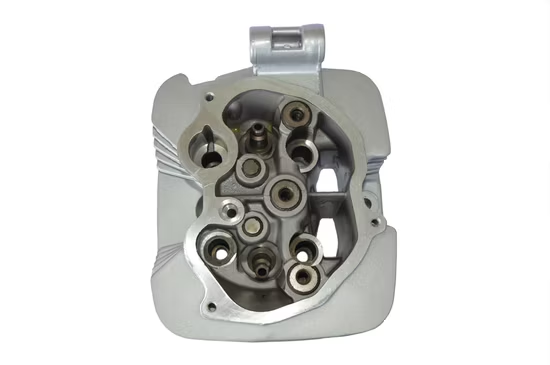
Metal stamping is a vital process in the production of motorcycle spare parts, ensuring both durability and reliability. By using precision stamping techniques, manufacturers can create components with consistent shapes, accurate dimensions, and superior strength. These qualities are crucial for motorcycle parts, which must withstand constant stress, vibration, and exposure to harsh environmental conditions. Properly stamped parts not only last longer but also contribute to the overall safety and performance of the motorcycle.
One of the key advantages of metal stamping is its ability to produce parts that resist wear and tear even in extreme conditions. From brackets and frames to engine components, stamped metal parts deliver uniformity and high-quality finishes, reducing the likelihood of defects. This translates into fewer breakdowns and less frequent replacements, saving riders both time and cost over the lifespan of their motorcycles.
Compared to other manufacturing methods, metal stamping offers greater efficiency, precision, and cost-effectiveness. It allows for mass production without compromising on quality, making it an ideal choice for the motorcycle industry. By enhancing strength, performance, and reliability, metal stamping proves to be one of the most effective processes for producing long-lasting motorcycle spare parts. We’ll explore more in this blog.
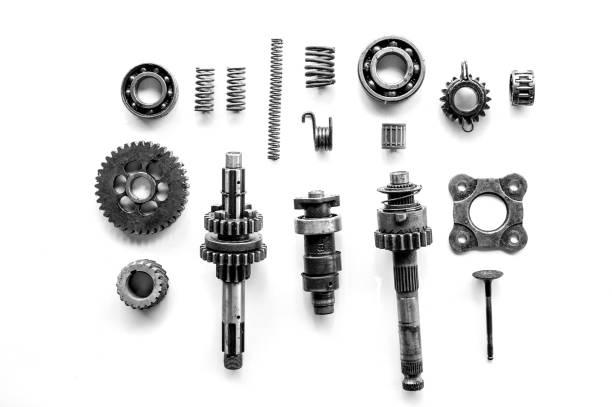
1. Metal Stamping plays an important part in any type of these spare parts.
Metal stamping plays a crucial role in the production of various spare parts across different industries, including automotive, motorcycle, and machinery components. It is a highly efficient metal forming process that involves the use of a tool and die to shape metal sheets under the force of a high-tonnage press. This technique allows manufacturers to create parts with consistent accuracy, meeting strict design requirements while maintaining cost-effectiveness.
One of the greatest strengths of metal stamping lies in its ability to produce components that meet rigorous industry standards. The process ensures exceptional strength, precision, and durability—key qualities for spare parts that must endure heavy use, vibration, and exposure to challenging environments. Whether for structural components, brackets, or intricate engine parts, stamped metal pieces offer reliability and long service life.
Additionally, metal stamping is ideal for mass production, delivering uniform parts at high speed without sacrificing quality. The repeatability of the process reduces the chances of defects, ensuring every part fits perfectly into its application. By combining efficiency with superior performance, metal stamping has become one of the most trusted manufacturing processes for spare parts, helping industries achieve durability, safety, and long-term reliability.
2. Major Ways Metal Stamping Improves Strength
- Metal stamping is not only a cost-effective and efficient manufacturing method but also one that significantly enhances the strength and reliability of spare parts. By combining advanced machinery, high-quality materials, and precise engineering, metal stamping ensures that components can withstand demanding conditions without premature failure. Below are the major ways in which metal stamping contributes to improved strength.
- a. Precision Manufacturing
One of the primary benefits of metal stamping is the high level of accuracy it offers. Through the use of CNC-controlled presses, manufacturers can achieve extremely tight tolerances, ensuring that every part produced is uniform in size and structure. This uniformity is critical because it minimizes defects that may compromise the part’s strength. A consistent design means that parts fit together seamlessly in assemblies, reducing the risk of weak points or misalignment. The precision inherent in stamped parts also enhances structural integrity, ensuring long-lasting reliability. - b. Use of High-Strength Materials
Metal stamping often involves materials like stainless steel, aluminum, and high-carbon steel—all known for their durability and performance under stress. These metals provide a solid foundation for parts that need to endure pressure, vibration, and impact. Additionally, heat treatments can be applied during or after stamping to further improve strength. Heat treatment enhances resistance to wear, impact, and corrosion, making the final components even more reliable in harsh conditions. - c. Enhanced Structural Integrity
The design flexibility of metal stamping allows manufacturers to create seamless parts with optimized shapes. This eliminates potential weak points that could otherwise lead to cracks or fractures under load. Structural strength is further improved by incorporating bolstered edges and carefully distributed thickness across the part. Such design improvements enable stamped parts to carry heavier loads and withstand stress without deformation, giving them superior performance compared to parts made with other methods. - d. Resistance to Environmental Forces
Spare parts are often exposed to tough environmental conditions such as extreme heat, moisture, or chemical exposure. Metal stamping addresses these challenges by producing components that naturally resist such forces. When combined with corrosion-resistant coatings and protective finishes, stamped parts gain additional protection against rust and degradation. This not only extends their service life but also reduces maintenance and replacement costs over time. For industries like automotive, construction, and marine, this resistance is vital for ensuring reliability in daily operations.

3.The Advantages of Metal Stamping of Motorcycle Spare Parts
- Metal stamping has become an essential manufacturing process in the motorcycle industry because it combines precision, efficiency, and strength. This method allows manufacturers to produce high-quality parts with consistent accuracy, ensuring durability and reliability even under extreme riding conditions. Several motorcycle components benefit directly from metal stamping, contributing to both performance and safety.
- a. Engine and Transmission Components
Motorcycles demand powerful engines and smooth transmissions, and metal stamping supports this need by delivering highly durable parts. Stamped heat shields protect against excessive temperatures, while clutch plates and gear assemblies are produced with uniform strength and accuracy. These components help improve engine efficiency, reduce wear, and extend service life, ensuring consistent performance for riders. - b. Brake System Parts
Safety is paramount in motorcycles, and reliable braking systems are critical. Metal stamping produces brake discs, caliper brackets, and ABS system components with exact tolerances, ensuring consistent braking power. The precision of stamped parts minimizes risks associated with uneven wear, providing smoother and safer stopping performance. - c. Frame and Structural Parts
The frame is the backbone of any motorcycle, and stamped chassis reinforcements, mounting brackets, and support plates significantly enhance its stability. These parts not only strengthen the motorcycle’s structure but also reduce vibrations, improving overall rider comfort and vehicle longevity. - d. Electrical and Wiring Components
Stamped components also play a key role in motorcycle electrical systems. Battery terminals, sensor housings, and electrical connectors manufactured through stamping ensure reliable conductivity and protection. This guarantees that electronic systems function properly, even in challenging environments.
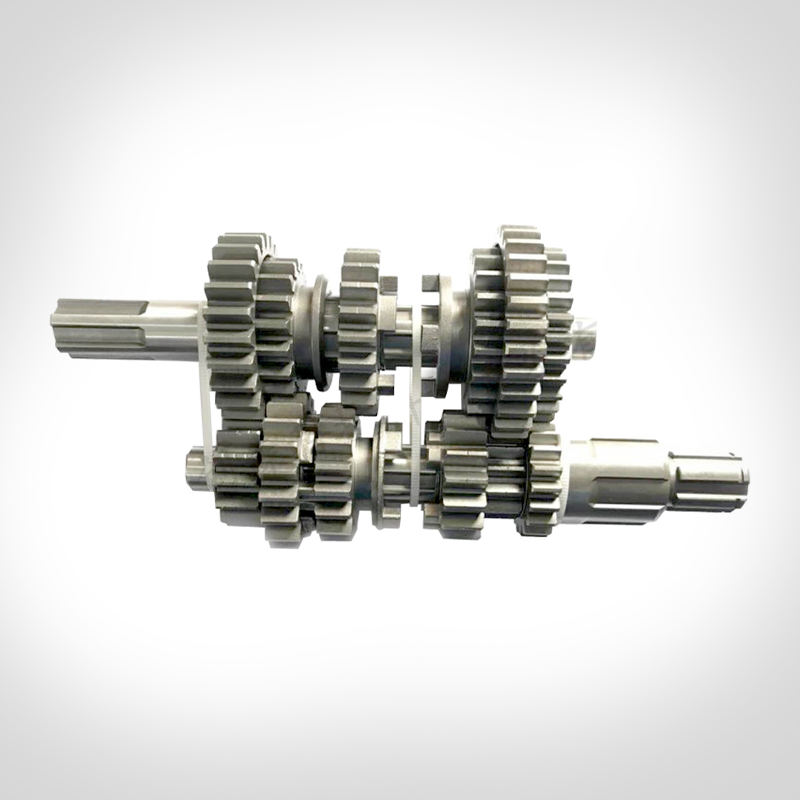
4.The Durability Using Advanced Metal Stamping Techniques
- To meet the growing demands of performance, safety, and reliability in modern motorcycles, manufacturers are increasingly adopting advanced metal stamping techniques. These processes not only improve efficiency in production but also significantly enhance the durability and longevity of motorcycle spare parts. By applying innovative stamping methods, manufacturers can produce components that are stronger, more precise, and capable of withstanding harsh conditions without failure.
- a. Progressive Die Stamping
Progressive die stamping is one of the most widely used advanced techniques due to its ability to perform multiple operations in a single cycle. In this process, a metal strip is fed through a series of stations, with each station performing a specific operation such as cutting, bending, or punching. This method allows the creation of highly complex shapes while maintaining excellent repeatability. Because material stress is minimized during the process, the finished parts retain superior structural integrity. The result is consistent, durable components ideal for critical motorcycle applications. - b. Deep Draw Stamping
When it comes to producing rigid, hollow-profile parts like fuel tanks and fluid tanks, deep draw stamping is the technique of choice. This process involves stretching a sheet of metal into a die cavity, creating seamless structures with smooth walls and strong shapes. The absence of seams reduces weak points, while the increased rigidity ensures that parts like tanks can withstand internal pressure, vibration, and external impacts. Deep draw stamping is essential for durability where structural integrity is non-negotiable. - c. High-Speed Precision Stamping
High-speed precision stamping is designed for mass production without compromising quality. This method allows manufacturers to produce large quantities of intricate components with very tight tolerances. It is especially effective for smaller, complex motorcycle parts that require accuracy and strength. Despite its speed, this process ensures that every piece maintains durability, making it ideal for electrical connectors, brackets, and safety-critical components.
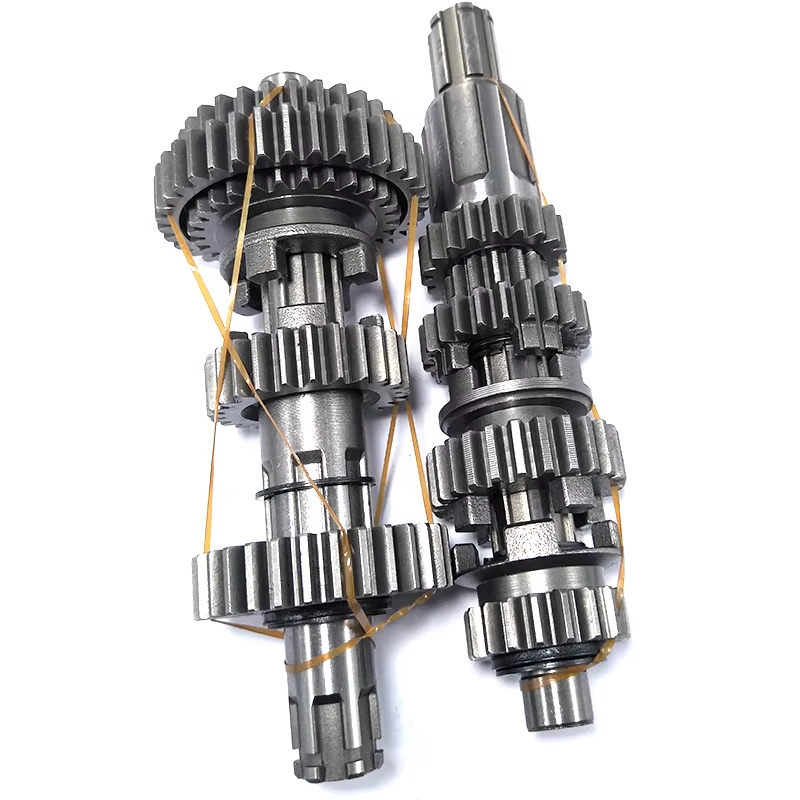
5. Reasons Motorcycle Spare Parts Are Better in Metal Stamping
Metal stamping has many advantages over other methods of manufacture:
- It is Stronger: Stamped parts do not change shape under high pressure and stress.
- Cost Efficiency: Mass production lowers the cost of manufacturing.
- Improved Consistency — Automated systems reduce errors and material wastage.
- Sustainable Manufacturing: Use of recyclable materials and optimized manufacturing processes to reduce environmental impact.
Conclusion
Metal stamping has become a cornerstone of motorcycle manufacturing, providing durable, precise, and reliable spare parts that enhance both safety and performance. By using advanced techniques and high-strength materials, stamped components can withstand extreme conditions, resist wear and corrosion, and deliver consistent quality across critical systems such as engines, brakes, frames, and electrical assemblies.As motorcycles evolve with greater demands for efficiency and reliability, metal stamping continues to offer manufacturers an efficient, scalable, and cost-effective solution. At Kbear Metal, we are committed to supporting this progress by supplying high-quality stamped components that meet rigorous industry standards. With our expertise and dedication to excellence, we help ensure that motorcycles are built to last—strong, safe, and dependable for every rider.