


Concrete Anchor Pullout Test: 3 Ways to Verify Lifting Safety
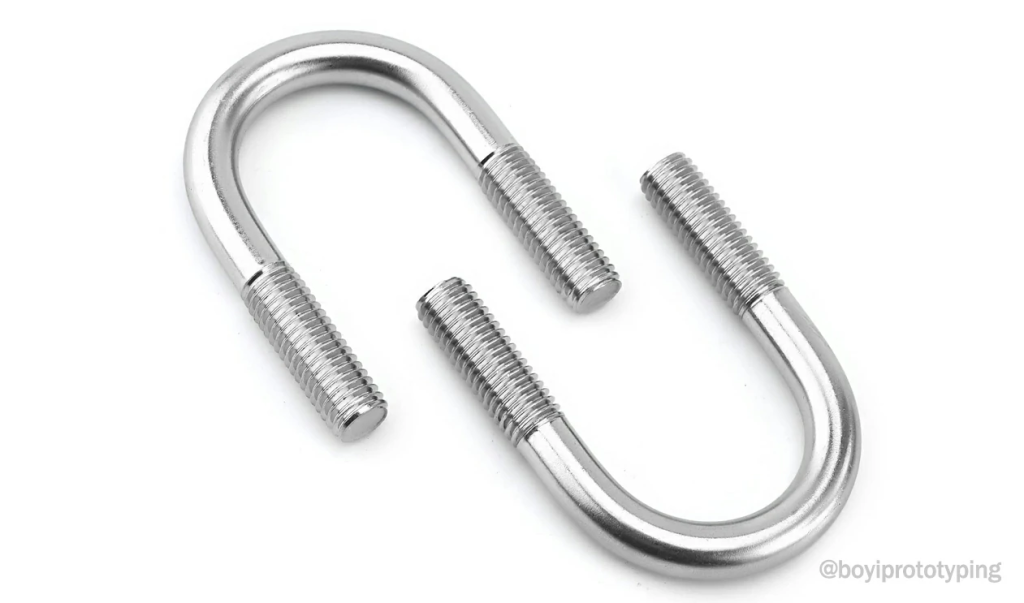
Concrete lifting anchor pullout test is the first checkpoint buyers should lock before they approve a supplier, budget, or production slot. Subject: Precast panel lift failure — re-check the anchor pullout test procedure. That email thread from last week where a $50K order of double-tees got flagged because the pre-production sample passed a bare-steel tensile […]
Hex Bolt Grade 8.8 vs 12.9: Which Failure Can You Tolerate?
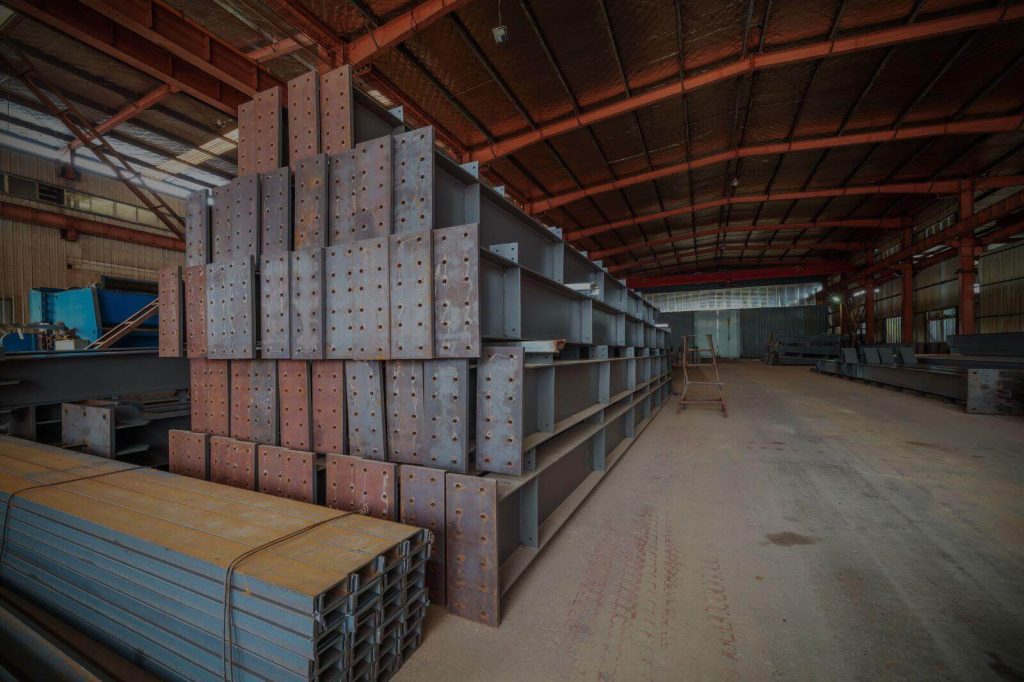
8 8 vs 12 9 is the first checkpoint buyers should lock before they approve a supplier, budget, or production slot. On the factory floor, the 8.8 vs 12.9 bolt failure question rarely gets answered by a datasheet. The operator checking incoming batches sees what the sales call never shows: thread surfaces with a dull […]
Grade 8.8 vs 12.9 Bolts: Why Your Joint Fails
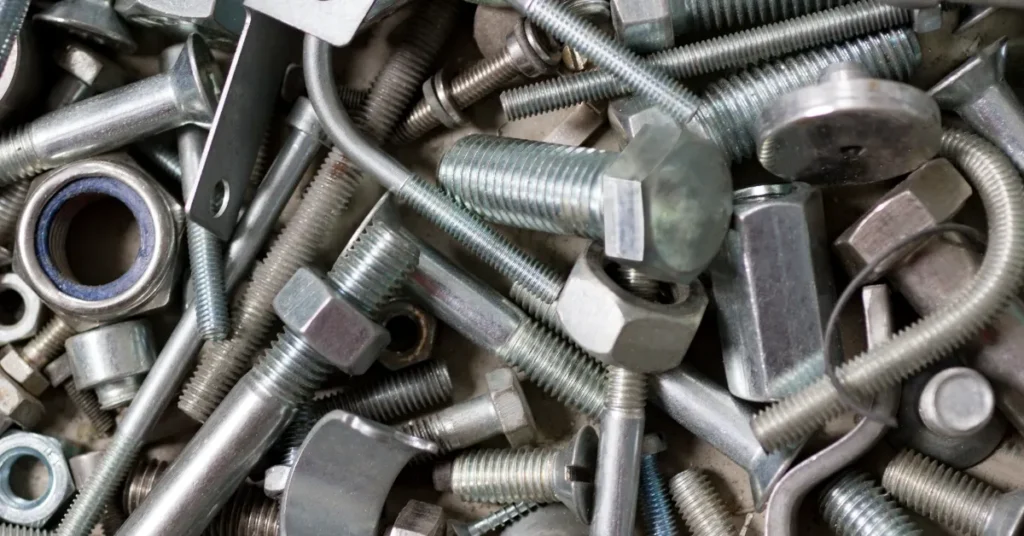
grade 8 8 vs 12 is the first checkpoint buyers should lock before they approve a supplier, budget, or production slot. The operator on the heat-treat line watches the hardness tester readout every shift. He knows that a batch of grade 8.8 vs 12.9 bolts coming out at 41 HRC instead of 35 means the […]
Centrifugal Casting vs Sand Casting: Which Is Stronger?
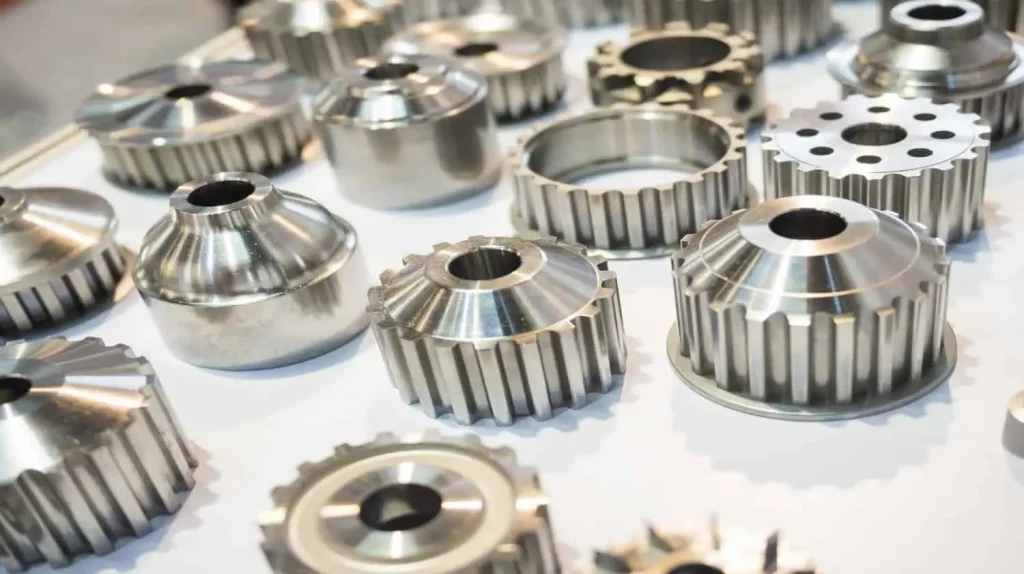
The centrifugal casting vs sand casting strength comparison often comes down to something you can’t see on a spec sheet: where the impurities end up. I’ve watched procurement teams approve a sand-cast sleeve based on a $2,000 pattern tooling cost, only to discover 18 months later that porosity in the cross-section caused a field failure […]
Lifting Anchors for Concrete: How to Prevent Pullout Failure
A procurement manager at a precast yard in Houston watched a $50,000 panel drop during a routine lift last year. The concrete lifting anchor pullout didn’t happen because the steel snapped — it happened because the concrete cone around the cast-in head ripped out. That’s the failure mode most buyers don’t plan for when they […]
Case Study: Metal Parts Lead Time Cut by 30%
metal parts lead time is the first checkpoint buyers should lock before they approve a supplier, budget, or production slot. The operator on the stamping line doesn’t care about the PO number. He cares about the die setup time, the material gauge, and whether the sample approval sheet matches the tolerances on the drawing. That […]
Stamping vs Casting vs Forging vs CNC: Which Fits Your Part
metal manufacturing processes comparison is the first checkpoint buyers should lock before they approve a supplier, budget, or production slot. The spec sheet says 0.5mm tolerance, and the pre-production sample confirms it. But when the container arrives, your part measures 0.7mm on the critical flange. A $50,000 order — lost because the mass production run […]
Metric vs Inch Fastener Systems: Cost, Strength & Lead Times
Ever wonder why that $50,000 order of custom fasteners failed the assembly fit test even though the pre-production sample passed with flying colors? The metric vs inch fasteners conflict is often the culprit — and it rarely has anything to do with the supplier’s quality control. The gap between sample approval and mass production widens […]
How Metal Stamping Improves Motorcycle Spare Part Durability
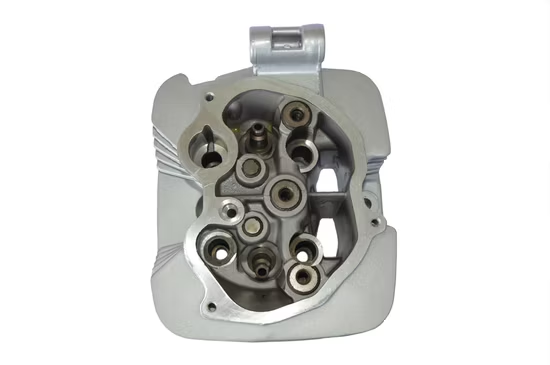
Metal stamping is a vital process in the production of motorcycle spare parts, ensuring both durability and reliability. By using precision stamping techniques, manufacturers can create components with consistent shapes, accurate dimensions, and superior strength. These qualities are crucial for motorcycle parts, which must withstand constant stress, vibration, and exposure to harsh environmental conditions. Properly […]