


Designing aluminum components is not just about shape and function; it’s more about picking the right manufacturing process to achieve your design.
Kbear Metal Manufactured Aluminum die casting is one technique that really stands out due to its versatility and efficiency.
It is popular for its ability to make hard, high-quality parts. Its beneficial features can be found mostly in any serious application, such as automotive, telecommunications, or industrial manufacturing.
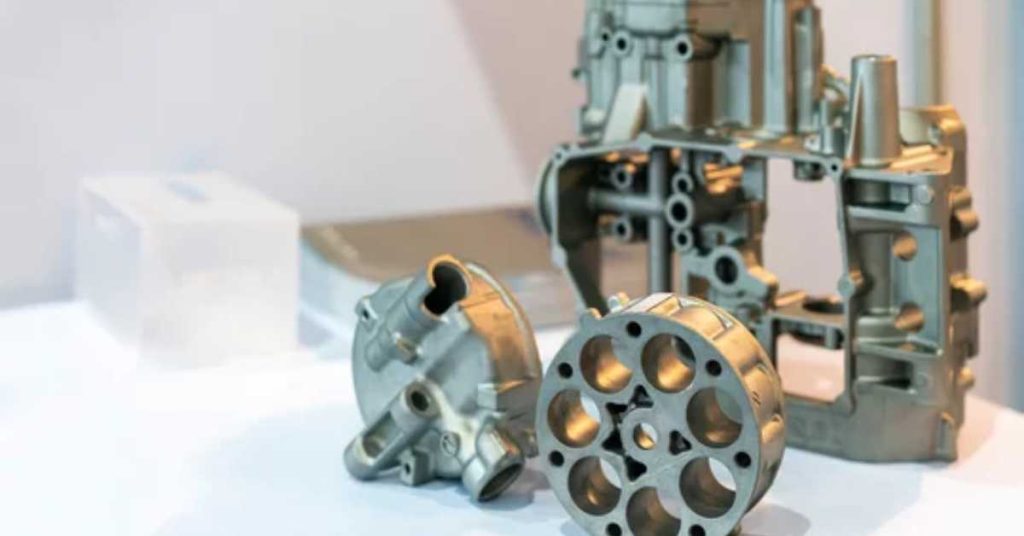
Imagine creating strong, complex parts for everything from autos and hydraulic systems to lighting equipment and electrical devices—all produced through a process that ensures consistency and cost-effectiveness. That’s the power of aluminum die casting!
In this blog, we’ll uncover what makes aluminum die casting so exceptional, explore its wide-ranging applications, and show you why it’s a must-know for modern manufacturing. If you’re curious about how this process can elevate your next project, keep reading—you’re in for a treat!
What is Aluminum Die Casting?
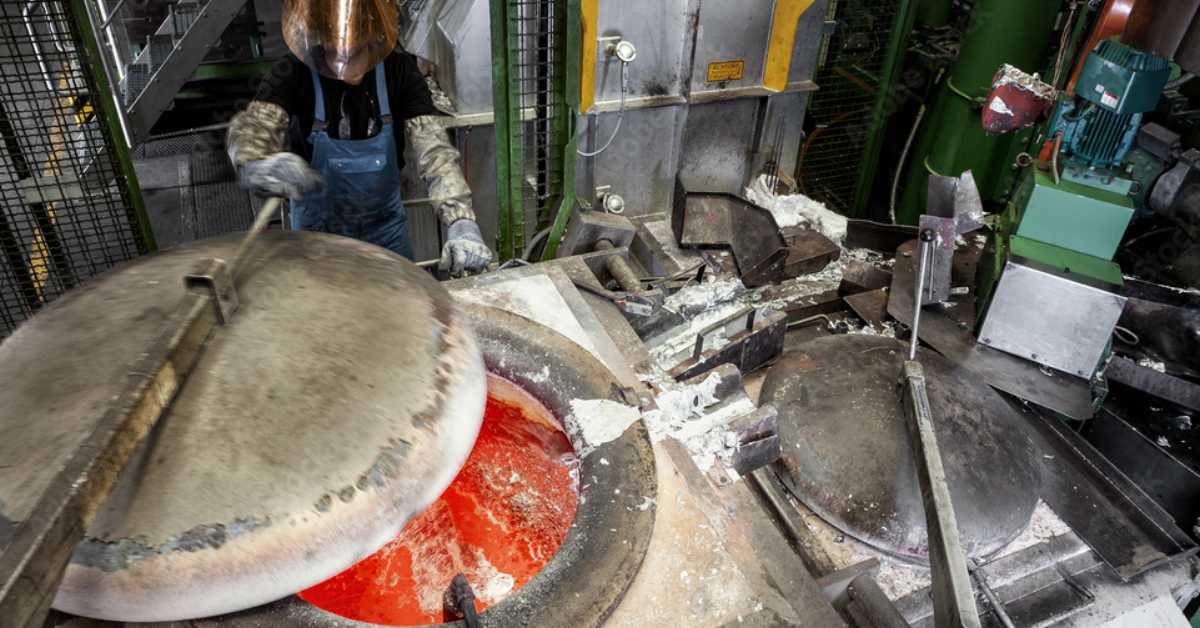
Aluminum die casting is a metal-forming process through which complex aluminum parts can be made. Ingots of the aluminum alloy have been heated to extreme temperatures till they turn completely molten.

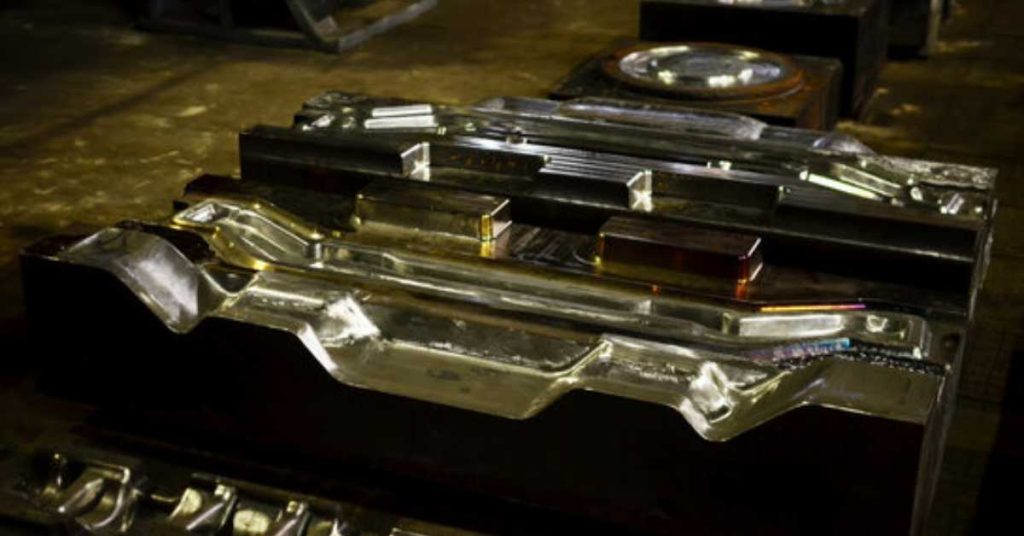
Liquid aluminum is inserted under high pressure into a steel die, sometimes called a mold — here’s an example of a mold for an automotive part. The die is made of two parts and is opened up after the aluminum is solidified to expose the cast aluminum part.
The aluminum products are accurately formed with a very smooth surface finish and can also be made with minimal or no machining operation.
Since steel dies are involved in the process, the same mold can be reused hundreds of times before it wears down; thus, aluminum die casting is well suited for high-volume production of aluminum parts.
Benefits of Aluminum Die Casting
Some of the most important advantages over other processes that may make die-casting aluminum the suitable process to produce your aluminum parts are:
It is possible to produce very complex shapes that cannot effectively be created by both extrusion and machining.
An excellent example includes complex automotive parts, such as transmissions and engine blocks. Other processes must be able to reliably offer the complexity and tight tolerances needed for these products.
Other benefits include offering the capability to have textured or smooth surfaces and the ability to handle both larger and smaller parts.
The Top Considerations During Part Design
A couple of things need to be considered when you design the part that is going to be cast.
The first consideration is that a mold has to be designed so that it can separate and allow the solidified aluminum part to come out.
The line that defines how two halves of the mold separate is called a parting line, so you need to think about it even in early die design.
Another consideration is the injection point location. The die can be designed for several injection points in cases where the molten metal would otherwise solidify before every crevice in the die has been filled.
This also helps if cavities are included in the design; you can surround them with aluminum and still have the part come off when the mold is separated.
It would also be helpful to take into consideration wall thickness for part walls. Generally, there are no minimum guidelines on wall thickness owing to the recent advancement in technology, but uniform thickness walls are often preferred as far as this point is concerned.
Comparison to Green Sand and Permanent Mold Casting
Green sand and permanent mold are two common alternatives to aluminum die casting.
Green sand processes use wet sand to create the mold for the cast, and they are less expensive compared to the other two processes. Above, you see an operator pouring molten metal into a sand-cast mold.
Unlike die casting, permanent mold castings have to be poured by gravity with molten aluminum into a mold. Permanent mold castings may also have the opportunity to produce more solid casts.
However, die casting provides for finer tolerances and smoother finishes than either of the other two processes and thus subsequent surface treatment is often optional.
Options for Machining and Finishing
Die-cast aluminum parts often require very little machining, and several options exist for surface finishing.
Die casting has a very good surface finish for casting standards but can exhibit imperfections, such as metal seams where the mold halves meet. Rough or other imperfections in the surface can be sanded, sandblasted, or orbitally sanded to improve the part.
Shot peening is a type of cold working often performed to enhance the fatigue resistance in die cast aluminum. Alternatively, a protective or decorative coating may be applied to the finished part, including a powder coat. Other forms of post-casting modifications include drill tapping, among others.
The Most Common Aluminum Die Casting Alloys
Some of the most popular aluminum alloys for die casting include A380, 383, B390, A413, A360, and CC401. The first consideration for an appropriate alloy is your application.
For example, A360 has excellent corrosion resistance, pressure tightness, and very good fluidity when melted. B390 provides excellent wear resistance and high hardness but has the lowest ductility of all cast alloys.
Hence, it is often utilized for the production of applications such as engine blocks for automotive customers.
Alloy A380 is an ideal jack-of-all-trades material for a good combination of both casting and product properties, and it was the most often specified alloy for castings of a broad spectrum of products.
Why is Kbear Metal the Right Aluminum Die Casting Manufacturer for You?
- Expertise and Experience: Kbear Metal boasts decades-long experience in aluminum die casting with precision-engineered components made to specifications.
- Leading Technology: We use state-of-the-art tools that ensure high quality, efficiency, and consistency in every casting project.
- Customization: From intricate designs to specific alloy compositions, we provide fully customized solutions.
- Commitment to Quality: Our stringent quality control procedures guarantee that our parts meet or exceed industry standards.
- Cost-Competitive Solutions: At Kbear Metal, we process most of its operations to be as competitive as possible without sacrificing quality.
- Eco-Friendly Practice: We initiate our aluminum die-casting operations with care for sustainability, preventing waste disposal and potential energy consumption.
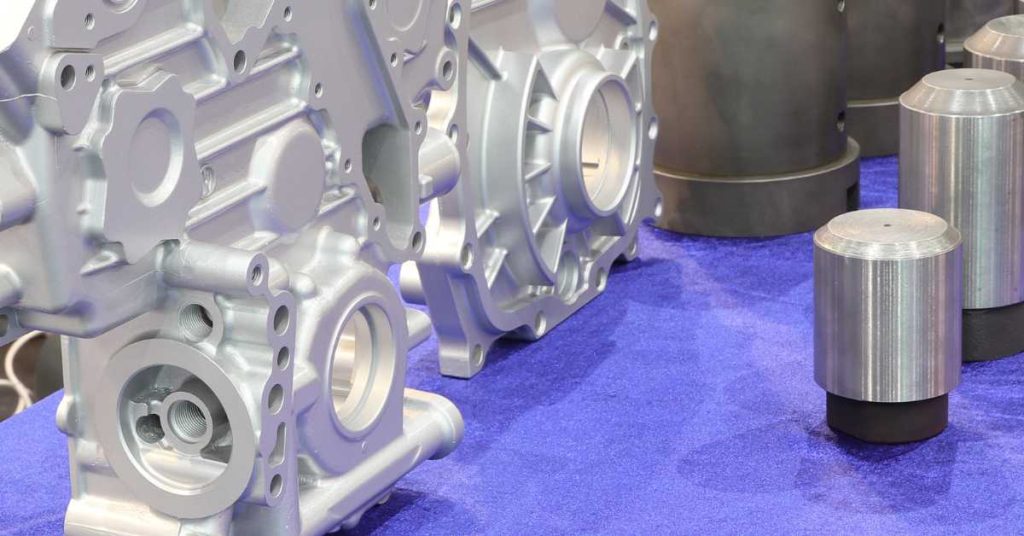
Kbear Metal is the leading service provider for high-quality, reliable aluminum die-cast services to transform your ideas into reality. Call us now to discuss your project.
Conclusion
The metal-forming process you choose will depend on your budget, the purpose of your aluminum part and how many parts you want to manufacture.
Die casting can be an expensive method but it is worth it if your design is very complex and you need a high number of parts.
Ready to make your project a reality? With Kbear Metal, you get more than just precision—you get a partner who makes the process smooth, fun, and exciting.
Let’s create something amazing together—choose Kbear Metal, and let’s get casting!



